
Improve knowledge access
Help employees, customers, and internal teams find answers from approved documents, databases, and knowledge systems faster.
Build retrieval-augmented generation applications that answer questions using your approved business data, documents, knowledge bases, and enterprise systems. RAG applications help businesses make internal knowledge easier to search, understand, and use. At Grayphite, we develop secure, context-aware RAG systems that combine large language models with your company data to deliver more accurate, grounded, and useful AI responses.
Your business may need RAG applications when important knowledge is spread across documents, databases, cloud storage, support tools, internal systems, or knowledge bases.
RAG is useful when you want AI to answer questions using your own information instead of relying only on general model knowledge. It helps teams search, summarize, compare, and retrieve accurate answers from approved business sources.

Businesses invest in RAG applications to improve knowledge access, reduce manual search time, support better decision-making, and make AI responses more accurate and trustworthy. Unlike generic chatbots, RAG applications connect AI models to your approved business data so users can ask natural-language questions and receive grounded answers based on your own knowledge sources.
Help employees, customers, and internal teams find answers from approved documents, databases, and knowledge systems faster.
Minimize the time spent searching through folders, wikis, PDFs, tickets, spreadsheets, and internal platforms.
Ground AI responses in your own data sources instead of relying only on general model knowledge.
Provide citations, document references, links, or supporting context so users can verify answers.
Summarize, compare, extract, and retrieve information from large volumes of business documents.
Build AI applications around permissions, approved knowledge sources, private data, monitoring, and responsible usage.
Grayphite builds RAG applications with the right retrieval, security, data processing, and user experience capabilities for your business needs.

Search across documents, databases, knowledge bases, tickets, policies, reports, manuals, and internal systems.

Generate answers from approved data sources with citations, references, or links to supporting documents.

Connect SharePoint, Google Drive, Notion, Confluence, CRMs, support tools, databases, and custom systems.

Process PDFs, Word files, spreadsheets, web pages, help articles, transcripts, reports, and business documents.

Use vector search and embeddings to retrieve information based on meaning, not only exact keywords.
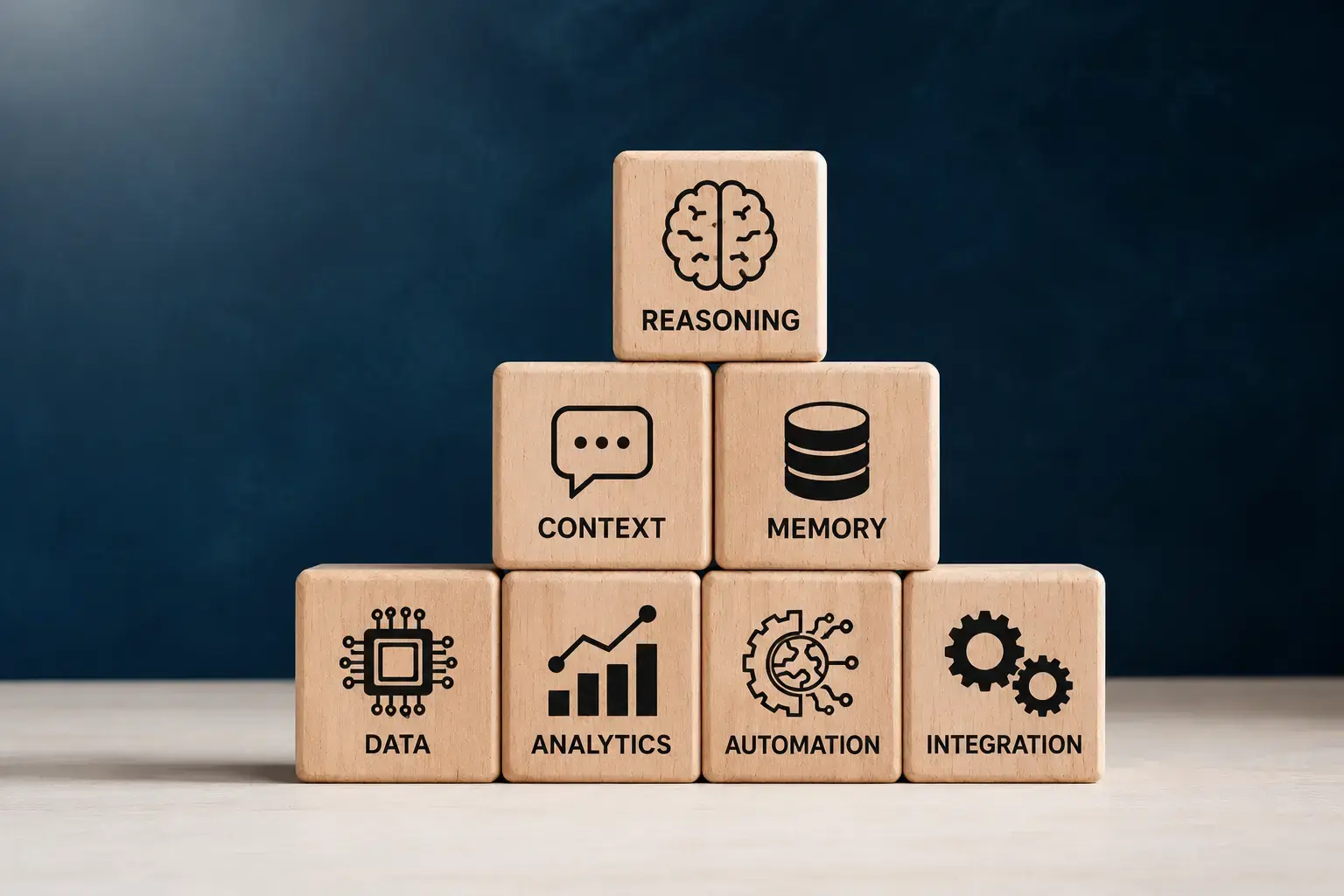
Combine keyword search, semantic search, metadata filters, and business rules to improve retrieval accuracy.

Respect user permissions so teams only access approved documents, records, and knowledge sources.
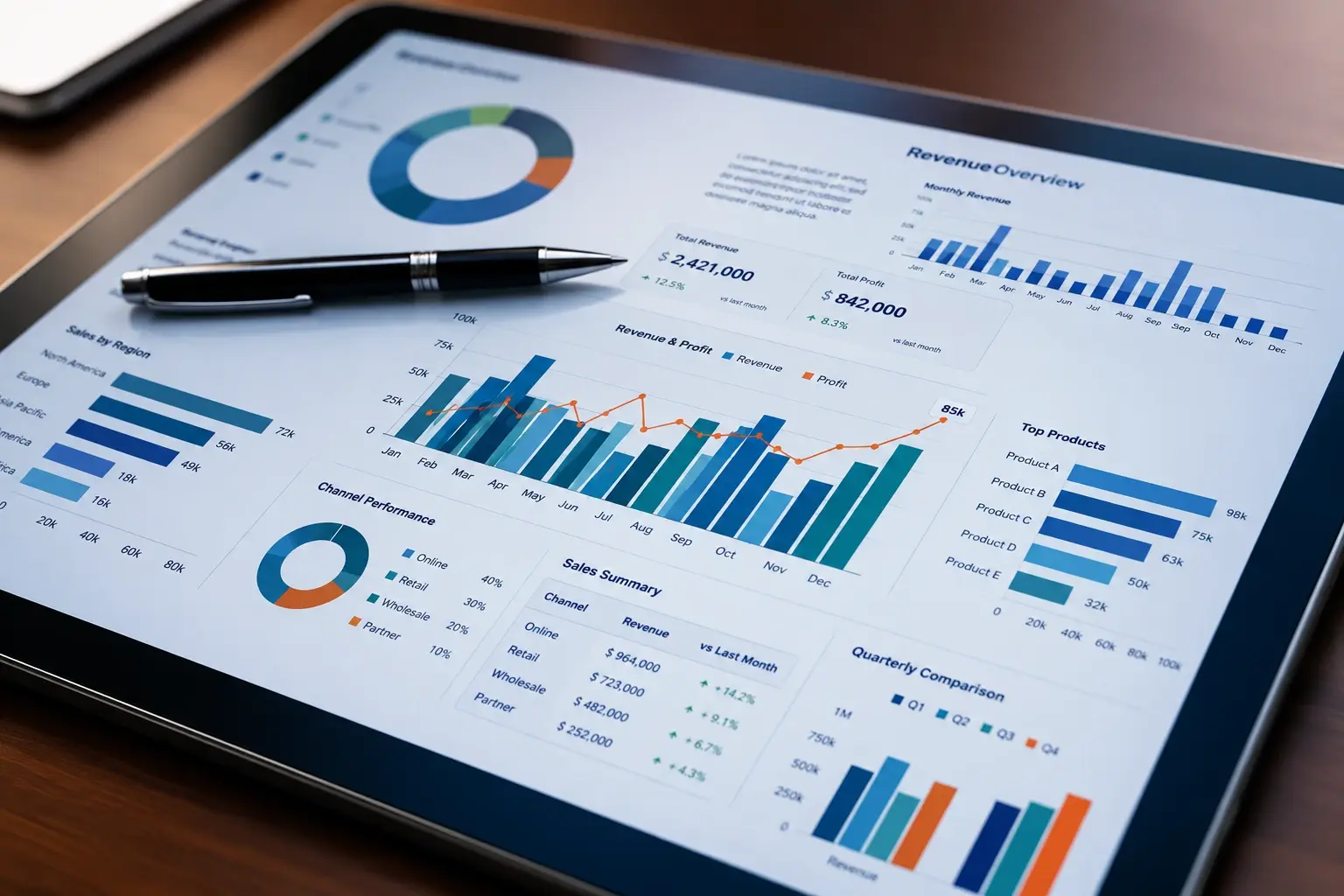
Track answer accuracy, retrieval relevance, hallucination risk, user adoption, content gaps, and improvement opportunities.