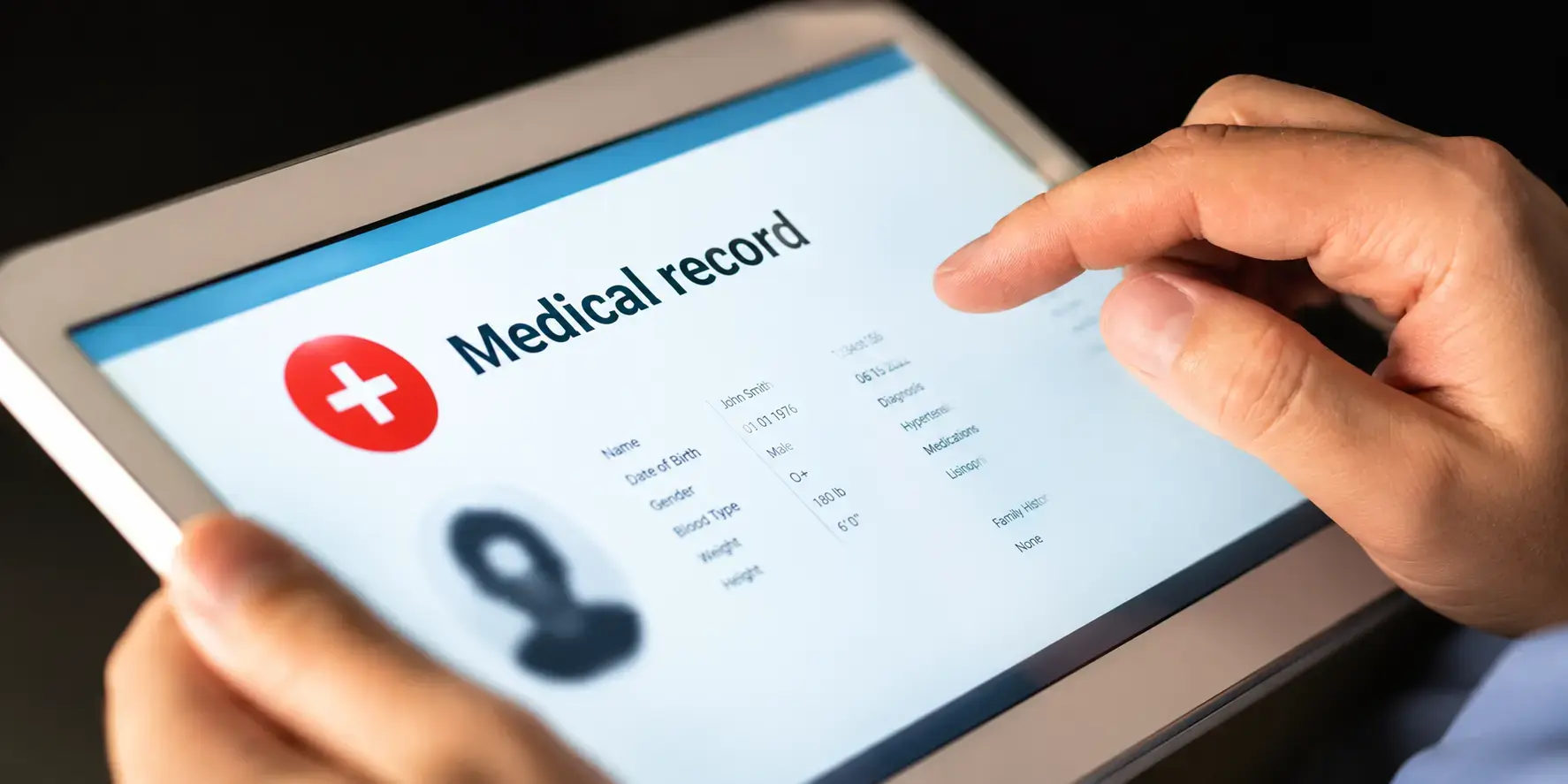
Fragmented patient data
Critical information scattered across EHRs, labs, imaging, and departmental systems that don't connect.
Grayphite builds HIPAA-grade healthcare software and AI systems — clinical decision support, patient engagement, documentation automation, and interoperable data platforms — designed for the privacy, compliance, and safety realities of modern care.
From hospitals and clinics to digital health and HealthTech startups, we help organizations put AI to work where it improves outcomes, reduces administrative burden, and scales securely.
Healthcare is shifting from fragmented, paper-heavy operations to connected, data-driven, AI-assisted care — without compromising on privacy or safety.
Clinical teams are overloaded with documentation, data lives across disconnected systems, and patients expect faster, more personalized access. Modern AI and software change the equation: surfacing the right information at the right moment, automating repetitive administrative work, and connecting systems that never spoke to each other.
Grayphite helps healthcare organizations adopt these capabilities responsibly — with compliance, interoperability, and clinical safety engineered in from the first line of code.

Healthcare organizations face a recurring set of operational and technical barriers. We build systems that address them directly — safely and at scale.
Critical information scattered across EHRs, labs, imaging, and departmental systems that don't connect.

Clinicians spend hours on notes and paperwork instead of patient care, driving burnout.

Legacy HL7 interfaces and siloed software make data exchange slow, brittle, and costly.

Manual intake, scheduling, prior authorization, and claims processing delay care and revenue.

Staffing pressure and inefficiency increase cost per encounter without improving outcomes.

Patients expect digital access, timely communication, and personalized experiences across channels.