EMBEDDED AI ENGINEERING TEAMS

Embedded AI Engineering Teams

Integrate AI engineers directly into your existing product, engineering, and delivery teams so they work inside your workflows, systems, and sprint cycles. At Grayphite, embedded AI engineering teams function as part of your internal organization. Our engineers join your repositories, standups, tools, and engineering processes while reporting through your product and technical leadership structure. Unlike external pods or standalone teams, embedded engineers operate as if they are your in-house AI capability.

Overview

When Do You Need Embedded AI Engineering Teams?

Your business may need embedded AI engineering teams when you already have strong internal product and engineering leadership but need AI expertise integrated directly into your workflow.

This model works best when AI engineers must collaborate closely with your existing teams on architecture, development, and delivery.

Signs you may need embedded AI engineering teams

  • You don't need a separate team structure — you need specialists inside your existing system.
  • Engineers must follow your sprint cycles, tools, and engineering standards.
  • AI features are deeply integrated into your product, not separate modules.
  • Your internal tech leads want to manage priorities and technical direction.
  • You are not building a new system — you are upgrading an existing one.
  • Close integration is required between AI engineers, backend teams, and product managers.
Senior AI engineers embedded in a product team
Business challenges

Why Businesses Choose Embedded AI Engineering Teams

Businesses choose embedded AI engineering teams to extend their internal engineering capability with specialized AI expertise while maintaining full control over product direction and execution. This model ensures tight collaboration between AI engineers and internal teams, reducing friction and improving delivery speed for AI-driven features.

Seamless integration with internal teams

Engineers work directly inside your workflows, tools, and repositories.

Full control over priorities

Your product and engineering leaders manage daily execution.

Faster collaboration cycles

Reduced delays between AI, backend, and product teams.

Deep system alignment

Engineers build strong understanding of your architecture and business logic.

Flexible scaling

Add or reduce embedded engineers based on roadmap needs.

Efficient AI adoption

Introduce AI capabilities without restructuring your organization.

TEAM CAPABILITIES

Key Features & Capabilities of Embedded AI Engineering Teams

Embedded AI engineers bring specialized AI and software expertise directly into your product development environment.

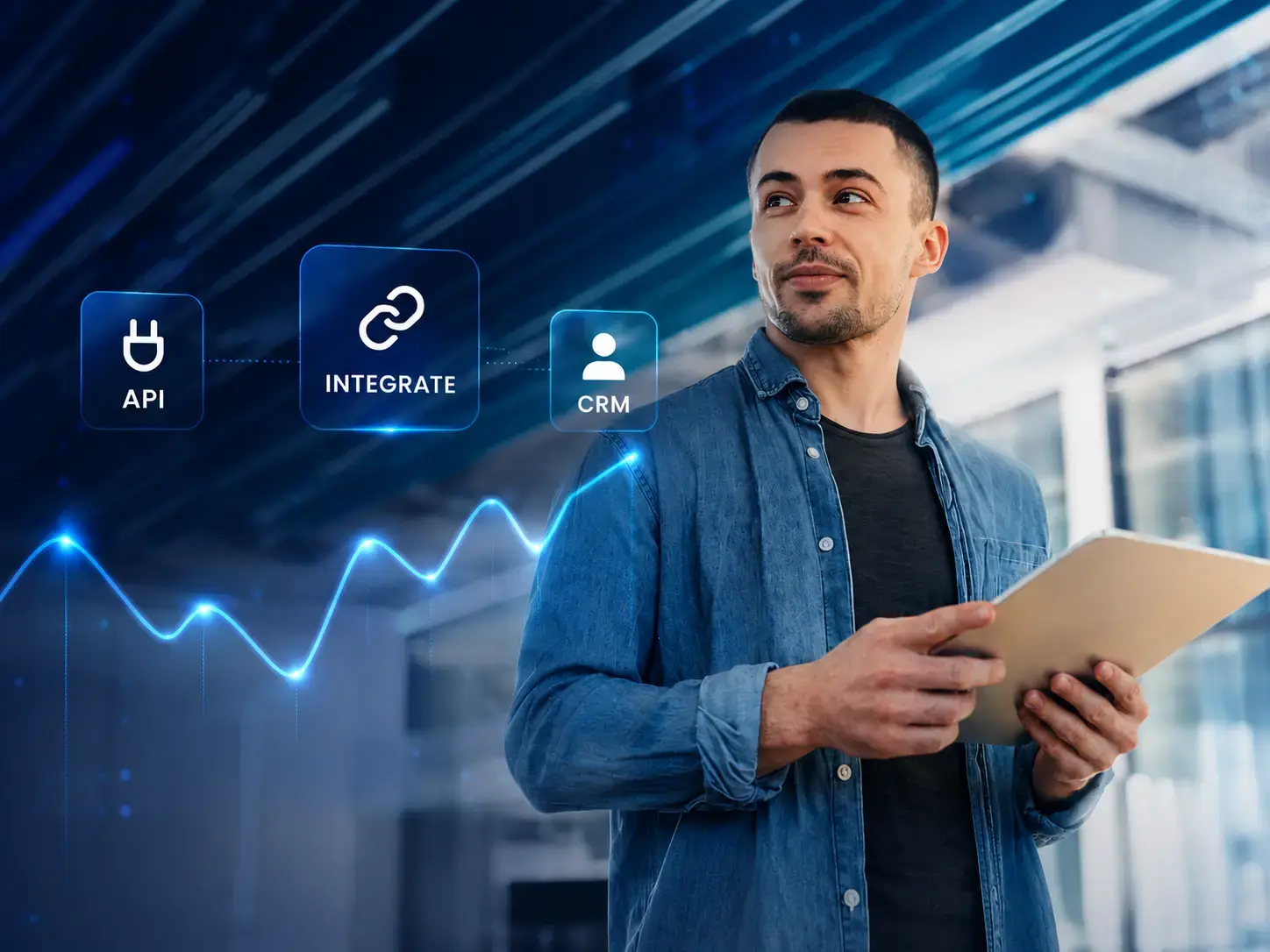
LLM Integration inside existing systems

Implement OpenAI, Claude, or Gemini into your current product workflows and services.
View

AI Feature Development

Build AI-powered features directly inside your existing application architecture.

View

RAG System Integration

Connect LLMs with your internal data, documents, and knowledge systems.

View

Backend and API Development

Extend your existing backend with AI services, APIs, and orchestration layers.

View

Data Pipeline Integration

Connect embeddings, indexing systems, and data workflows into your infrastructure.
View

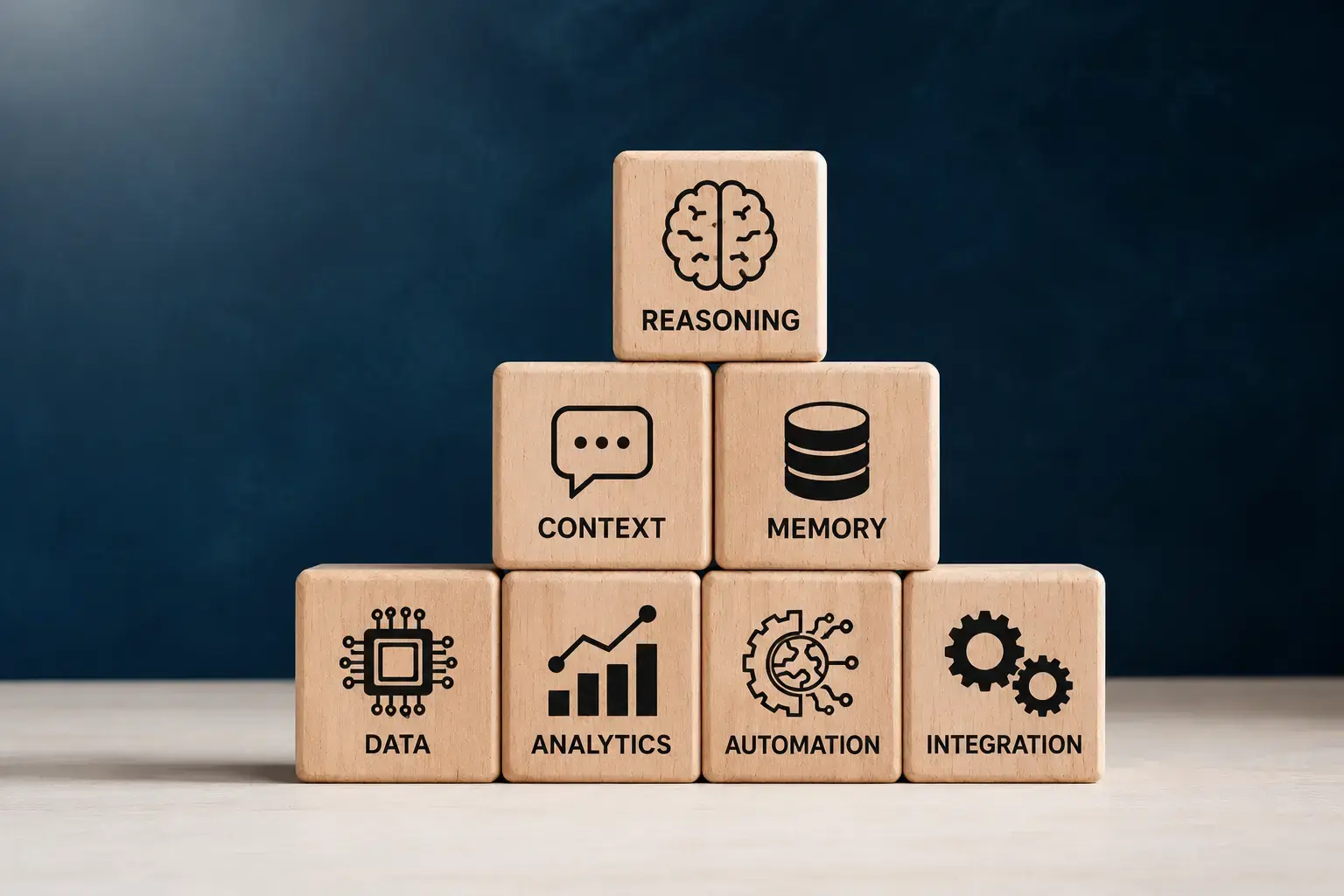
AI Agent Implementation

Embed AI agents into your workflows for automation and decision support.

View

System Optimization

Improve latency, cost, reliability, and scalability of AI features in production.

View

Cross-Team Collaboration

Work directly with your frontend, backend, DevOps, and product teams.

View
Industry applications

Embedded AI Engineering Use Cases by Industry

Embedded teams are ideal for companies integrating AI into existing platforms and systems across industries.

HealthTech

  • AI enhancement in existing patient systems
  • Clinical workflow automation inside current platforms
  • Healthcare document intelligence integration
  • AI-powered reporting features
  • RAG-based medical knowledge systems
Healthcare technology

FinTech & Financial Services

  • AI modules inside financial platforms
  • Compliance automation in existing systems
  • Financial document intelligence integration
  • Risk analysis embedded into dashboards
  • Customer support AI inside fintech apps
Financial dashboards

Ecommerce

  • AI search inside existing ecommerce platforms
  • Recommendation systems embedded in catalog
  • AI chat support inside customer portals
  • Product content generation workflows
  • Order intelligence features
Retail and e-commerce

AdTech

  • AI campaign optimization inside dashboards
  • Content generation embedded in tools
  • Reporting automation inside existing systems
  • Audience intelligence features
  • Workflow enhancement tools
Marketing analytics

EdTech

  • AI tutors inside learning platforms
  • Assessment explanation systems
  • Content generation tools inside LMS
  • Student support chat integration
  • Personalized learning features
Learning platforms

Consulting

  • AI research tools inside internal systems
  • Proposal automation embedded in workflows
  • Knowledge assistant inside platforms
  • Client reporting enhancements
  • Internal productivity AI tools
Enterprise operations
Vetting Process

How We Vet Top 3% Engineering Talent

We evaluate engineers across AI, software development, cloud infrastructure, data engineering, DevOps, and product delivery disciplines. Our vetting process is designed to identify the top 3% of assessed engineering talent based on technical depth, project experience, communication, product thinking, and delivery readiness.

Technical Profile Review

We look for engineers with hands-on experience building AI systems, LLM applications, RAG workflows, model integrations, or AI-powered product features.

Project Experience Assessment

Engineers are assessed on their ability to design scalable systems, understand trade-offs, and make practical technical decisions.

Technical Evaluation

We review problem-solving ability, code structure, maintainability, testing awareness, and production engineering practices.

Communication & Product Mindset

Engineers must be able to work with product managers, technical leads, designers, stakeholders, and distributed engineering teams.

AI-First Engineering Readiness

We prioritize engineers who understand business goals, user needs, and measurable outcomes — not just isolated technical tasks.

Remote Delivery Readiness

We review ownership, accountability, documentation habits, async communication skills, reliability, and ability to integrate into client processes and delivery workflows.

AI Project Estimator

Estimate Your Team Needs

Plan your AI team in minutes. Tell us about your roadmap, stack, and timeline, and we will recommend the right skill mix, engagement model, and onboarding plan.

  • Estimate the team you need
  • Identify the right skill mix
  • Understand onboarding speed
  • Receive a recommended engagement
Plan Your AI Team
Our process

How Embedded AI Engineering Teams Work

Embedded engineers join your existing engineering organization and operate as part of your internal teams across planning, development, and delivery cycles. They work inside your systems while being supported by Grayphite for hiring, onboarding, continuity, and performance management.

  1. Team and workflow assessment

    • We review your engineering structure, tools, architecture, sprint process, and AI requirements.
  2. Role definition

    • We identify the right mix of AI engineers, LLM developers, backend engineers, or data engineers needed inside your team.
  3. Engineer selection

    • We evaluate candidates based on technical skills, communication style, and integration readiness.
  4. Integration into your workflow

    • Engineers join your repositories, communication tools, sprint boards, and documentation systems.
  5. Embedded execution

    • Engineers work inside your team under your product and technical leadership.
  6. Continuous collaboration

    • Daily participation in standups, planning sessions, reviews, and development cycles.
  7. Ongoing optimization

    • Adjustments are made based on performance, workload, and evolving roadmap needs.
  8. Long-term alignment

    • Engineers become deeply familiar with your systems, architecture, and business context.
FAQ

Common questions, answered

What is an embedded AI engineering team?+
An embedded AI engineering team is a group of engineers who integrate directly into your internal product and engineering teams.
How is this different from staff augmentation?+
Staff augmentation adds individual engineers, while embedded teams integrate fully into your workflows and processes as part of your team structure.
Who manages embedded engineers?+
They are managed primarily by your internal product and engineering leaders.
Do embedded engineers join our tools and systems?+
Yes. They work inside your repositories, communication tools, and sprint systems.
What roles can be embedded?+
AI engineers, LLM developers, backend engineers, data engineers, and DevOps specialists.
Can embedded teams work on AI features?+
Yes. They specialize in integrating AI into existing systems and workflows.
Free consultation · 30 min

Get in touch

Send a Brief

LET'S
TALK!

Send a Brief or reach an engineer directly. We reply within 24h — no sales loop, no funnel.

Talk to a person
Luke Martins

Luke Martins

Head of Client Relations
Paul Thimm

Paul Thimm

Engineering Lead
Salman Ayub

Salman Ayub

Sales Manager
24H reply
PDF · DOC · PPT · max 10 MB

By sending you accept our Privacy Policy. We'll only use your details to reply about your project.

San Jose · HQ

123 E San Carlos St, CA 95112

Open · local
London

71-75 Shelton St, Covent Garden

Open · local
Toronto

1 Yonge St, Ontario M5E 1W7

Open · local