
Automate complex workflows
Handle multi-step business processes that require planning, context, tool usage, and coordinated execution.
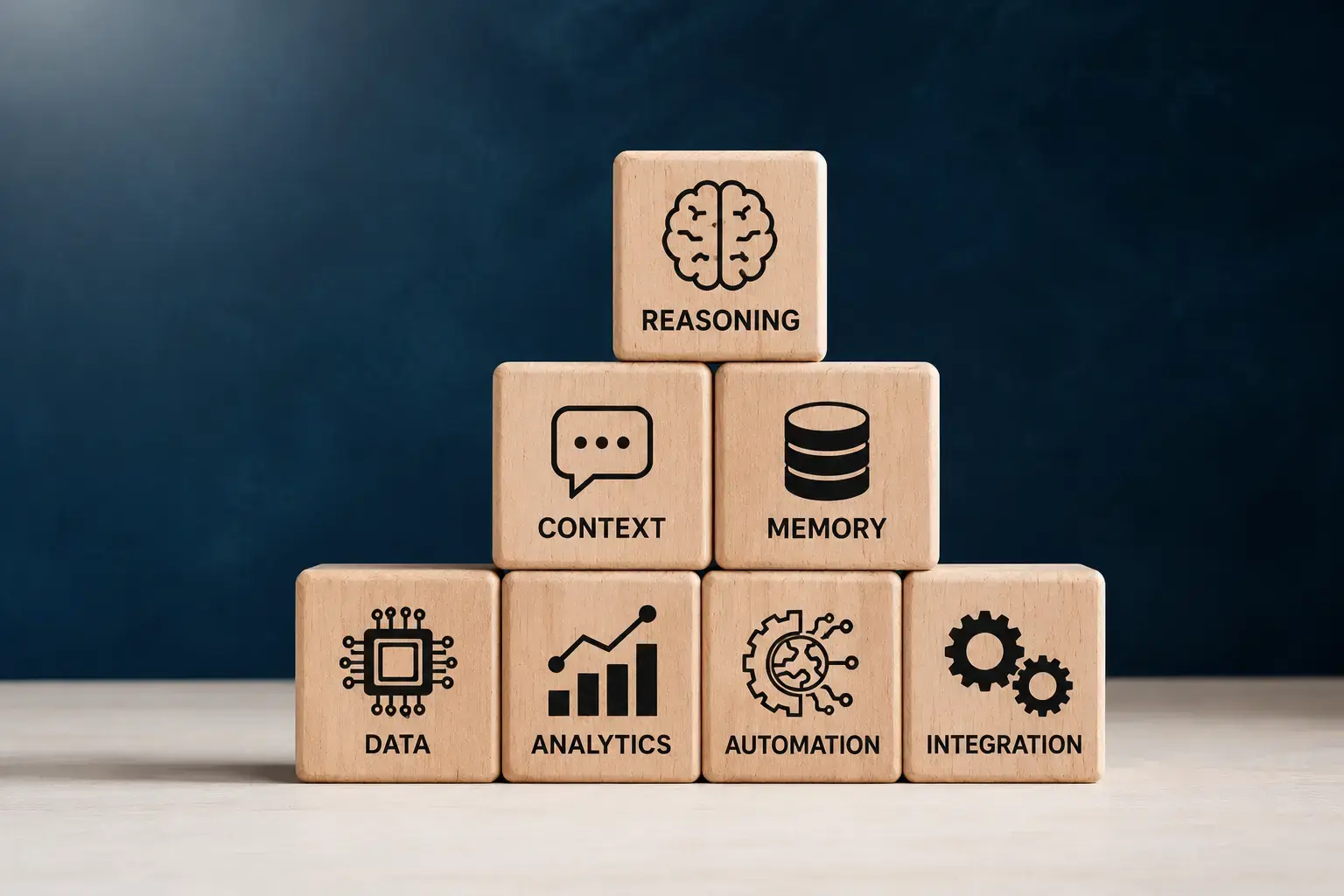
Build agentic AI systems that can plan, reason, coordinate multiple agents, use business tools, and execute complex workflows across your organization. Agentic AI systems go beyond single AI agents by combining multiple specialized agents, workflow logic, memory, tool access, human approval, and enterprise integrations into one coordinated AI system. Grayphite develops secure, scalable, and production-ready agentic AI systems designed around real business operations.
Your business may need agentic AI systems when a workflow is too complex for a single chatbot, simple automation, or standalone AI agent.
Agentic AI systems are useful when tasks require planning, multiple steps, tool usage, role-based agents, data retrieval, validation, approvals, and coordination across different systems or departments.

Businesses invest in agentic AI systems to automate complex workflows, coordinate specialized AI agents, reduce operational bottlenecks, and increase the speed of decision-making. Unlike simple AI tools, agentic systems can be designed to work across multiple data sources, software tools, roles, and approval paths.
Handle multi-step business processes that require planning, context, tool usage, and coordinated execution.
Minimize manual handoffs, repeated follow-ups, and delays between teams, systems, and departments.
Use AI agents to gather information, analyze context, recommend next steps, and support faster action.
Create systems where different agents handle research, reasoning, execution, validation, and reporting.
Integrate agentic systems with CRMs, ERPs, databases, ticketing tools, internal applications, APIs, and communication platforms.
Increase capacity across support, operations, sales, finance, compliance, HR, research, and delivery workflows.
Grayphite builds agentic AI systems with the capabilities needed to support real-world business workflows, enterprise integrations, and operational reliability.

Automate end-to-end business processes such as onboarding, ticket routing, reporting, lead qualification, compliance checks, and operational workflows.

Coordinate multiple specialized agents working together across planning, execution, research, validation, and reporting tasks.

Enable agents to interact with CRMs, ERPs, databases, ticketing systems, calendars, communication tools, dashboards, and internal APIs.

Connect agents to enterprise data sources using retrieval-augmented generation across documents, knowledge bases, and structured databases.

Break complex business goals into structured, executable steps that can be tracked, validated, and optimized.
Implement approval workflows, escalation paths, and review checkpoints for sensitive or high-impact business actions.

Maintain relevant context across users, sessions, workflows, and operational tasks where required.

Track agent performance, tool usage, accuracy, failures, completion rates, and real-world business outcomes for continuous improvement.