Exclusive focus on your roadmap
The team is assigned to your organization rather than divided across multiple unrelated client projects.
Build a full-time AI engineering team that works exclusively on your roadmap and functions as a direct extension of your in-house product and engineering organization. Grayphite helps companies scale AI delivery by providing dedicated teams of AI engineers, LLM developers, data engineers, backend developers, and cloud specialists who focus only on your product. Unlike project-based outsourcing, these teams stay aligned with your long-term roadmap and business goals.
Your business may need a dedicated AI team when you have an ongoing product roadmap, multiple AI initiatives, or long-term engineering requirements that cannot be supported effectively through short projects or individual hires.
Dedicated teams are useful when you need stable delivery capacity, specialist AI skills, stronger product knowledge, and an engineering group focused exclusively on your organization.

Businesses choose dedicated AI teams to access specialized engineering talent, increase delivery capacity, and maintain continuity across long-term AI and software initiatives. A dedicated team provides the stability of an internal product team while reducing the time and operational effort involved in recruiting, onboarding, and managing every role independently.
The team is assigned to your organization rather than divided across multiple unrelated client projects.
Build a team across AI, LLM, machine learning, backend, data, cloud, QA, and product disciplines without hiring each role separately.
Engineers develop an understanding of your users, systems, architecture, data, standards, and business priorities.
Maintain stable engineering availability for product development, platform improvement, integrations, and ongoing AI operations.
Adjust roles and team size as your product moves from discovery to MVP, production, scaling, and optimization.
Reduce the internal effort required for sourcing, assessment, onboarding, retention, payroll, and talent administration.
Grayphite builds dedicated teams around the technical and product capabilities required for your roadmap.

Build machine learning systems, LLM integrations, RAG applications, AI agents, copilots, prompt workflows, and model-powered features.

Develop APIs, business logic, databases, integrations, authentication, queues, and scalable application services.

Build dashboards, portals, SaaS interfaces, AI experiences, admin tools, and customer-facing product interfaces.

Create ingestion pipelines, data transformations, retrieval systems, vector indexes, analytics foundations, and model-ready datasets.

Manage cloud infrastructure, CI/CD, containers, Kubernetes, observability, deployment automation, and production reliability.
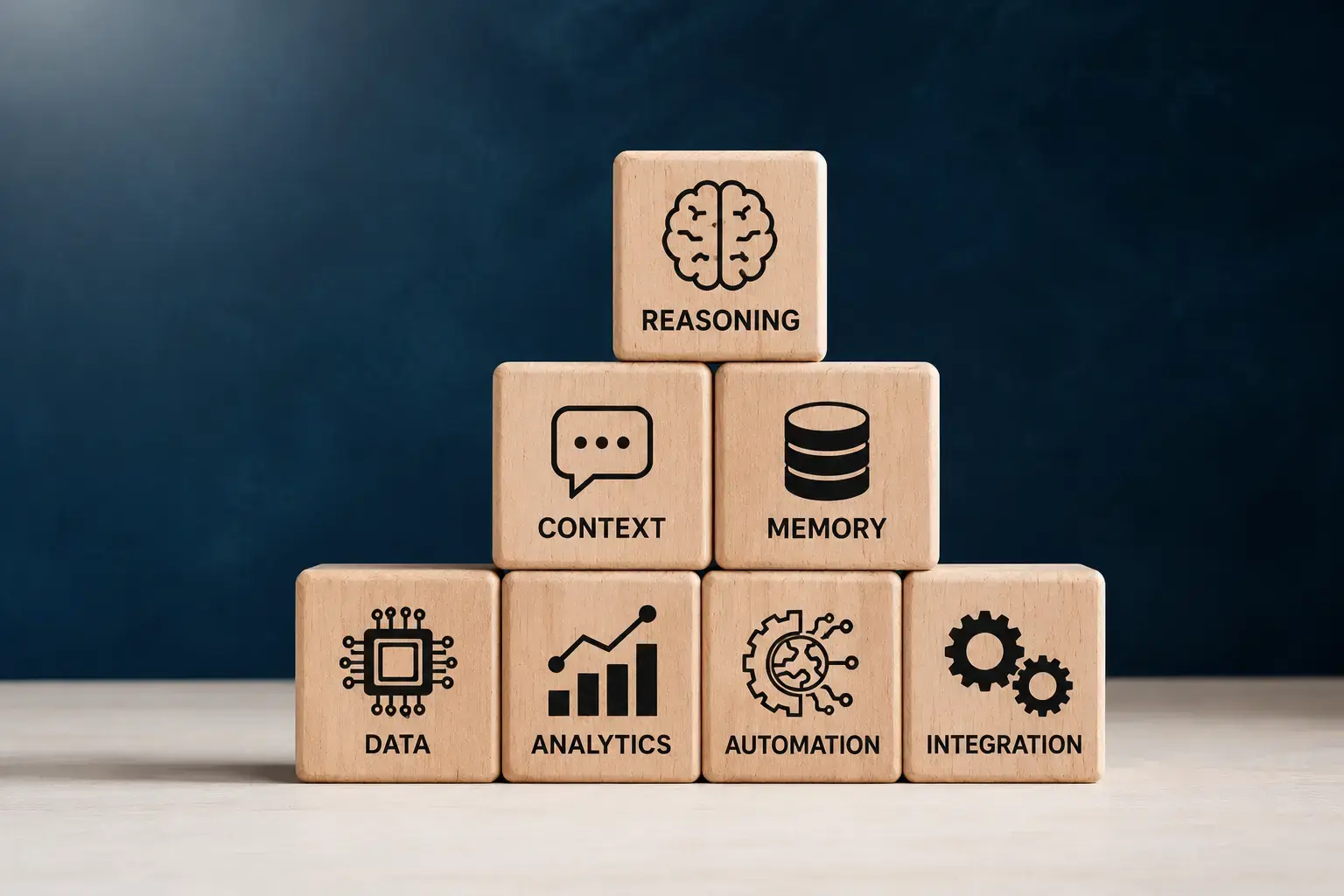
Test product functionality, AI workflows, APIs, integrations, user interfaces, performance, and release quality.

Support architecture, roadmap planning, sprint coordination, stakeholder communication, risk management, and delivery visibility.

Design user journeys, AI interactions, dashboards, review workflows, feedback mechanisms, and product interfaces.