
MULTI-AGENT SYSTEM DEVELOPMENT

Multi-Agent System Development Services

Build multi-agent AI systems where specialized agents collaborate to research, reason, retrieve knowledge, use tools, validate outputs, and complete complex workflows. Multi-agent systems help businesses solve workflows that are too complex for a single chatbot, AI assistant, or standalone automation. At Grayphite, we develop secure and production-ready multi-agent systems that coordinate specialized AI agents across business data, software tools, approval flows, and enterprise operations.

Overview

When Does Your Business Need Multi-Agent Systems?

Your business may need multi-agent systems when a workflow requires multiple types of reasoning, specialized roles, tool usage, validation, and coordination across systems or teams.

Multi-agent systems are useful when one AI assistant is not enough to complete the work reliably. Instead of relying on a single model response, multiple agents can divide responsibilities such as research, planning, execution, quality review, reporting, and escalation.

Signs your business may need multi-agent systems

  • Tasks require planning, information gathering, analysis, validation, approval, and execution across different systems.
  • You need specialized agents for research, retrieval, document analysis, customer support, task execution, or quality checking.
  • Work gets delayed because different people, tools, and departments need to complete parts of the same process.
  • Business workflows require quality checks, fact verification, source references, compliance review, or human approval before action.
  • The system must interact with CRMs, databases, documents, ticketing tools, APIs, communication platforms, or internal applications.
  • A simple prototype works in demos, but fails when workflows require orchestration, permissions, edge cases, monitoring, and reliability.
Generative AI and LLM-powered software interface
Business challenges

Why Businesses Invest in Multi-Agent Systems

Businesses invest in multi-agent systems to automate complex work, improve operational speed, reduce manual coordination, and create more reliable AI-powered workflows. Unlike single-agent solutions, multi-agent systems can assign different responsibilities to specialized agents and coordinate them through a structured architecture.

Automate complex workflows

Support processes that require multiple agents, tools, decisions, approvals, and handoffs.

Improve output quality

Use specialized agents for research, generation, validation, source checking, and review.

Reduce manual coordination

Coordinate work across systems, departments, documents, APIs, and internal tools with less human follow-up.

Scale AI beyond simple tasks

Move from basic chat or single-step automation to structured AI workflows that support real business operations.

Improve decision support

Use agents to gather context, compare information, summarize findings, recommend next steps, and prepare decision-ready outputs.

Build controlled AI automation

Add permissions, guardrails, monitoring, human approval, audit trails, and escalation logic for sensitive workflows.

CAPABILITIES

Key Features & Capabilities of Multi-Agent Systems

Grayphite builds multi-agent systems with the capabilities required for complex workflows, enterprise integrations, AI reliability, and controlled automation.

Multi-Agent Orchestration

Coordinate multiple specialized agents across research, planning, execution, validation, and reporting workflows.

View

Role-Based Agent Design

Create agents with defined responsibilities, instructions, tools, permissions, and success criteria.

View

Task Planning and Decomposition

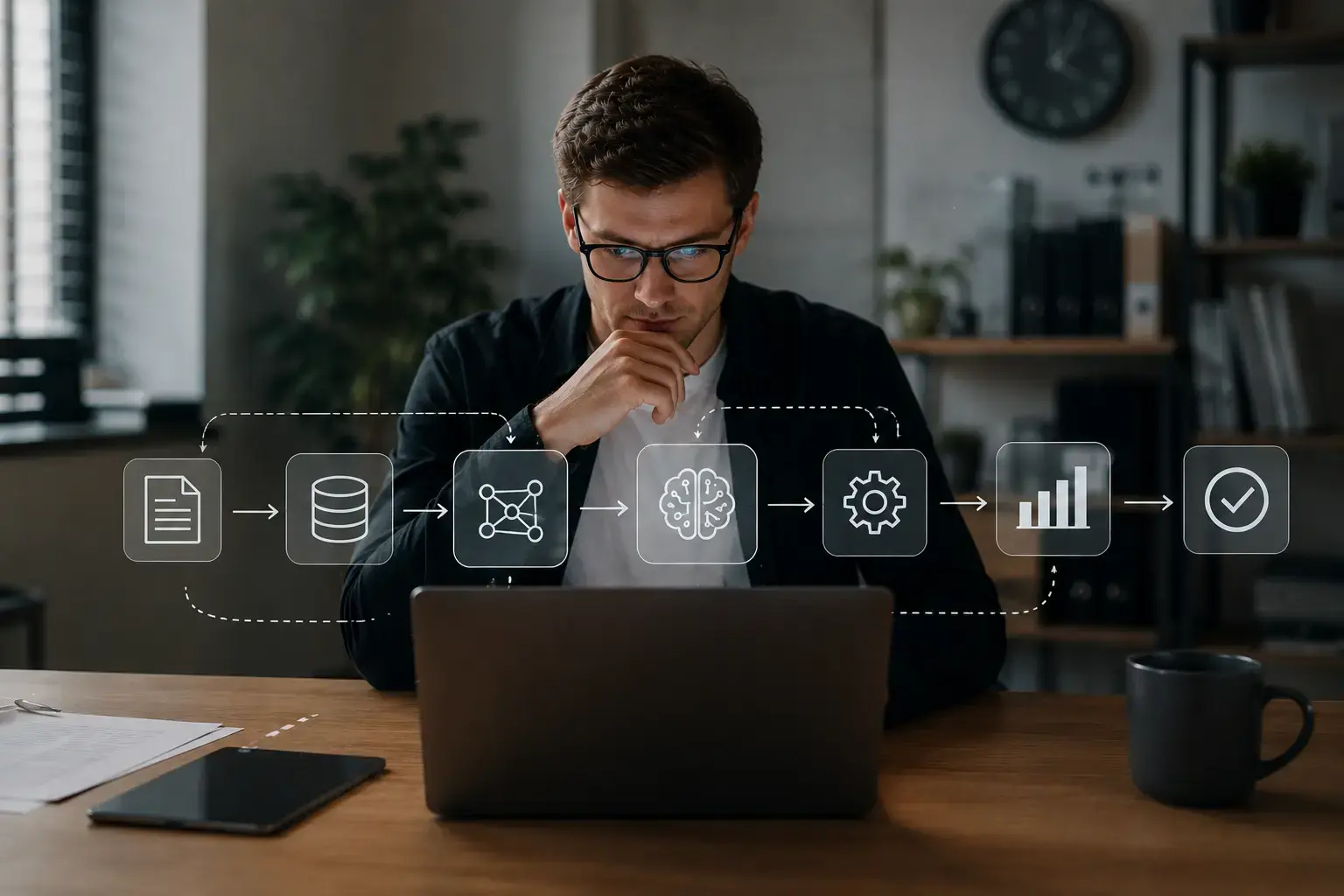
Break complex business goals into structured steps that can be assigned, executed, validated, and improved.
View

Retrieval-Augmented Generation

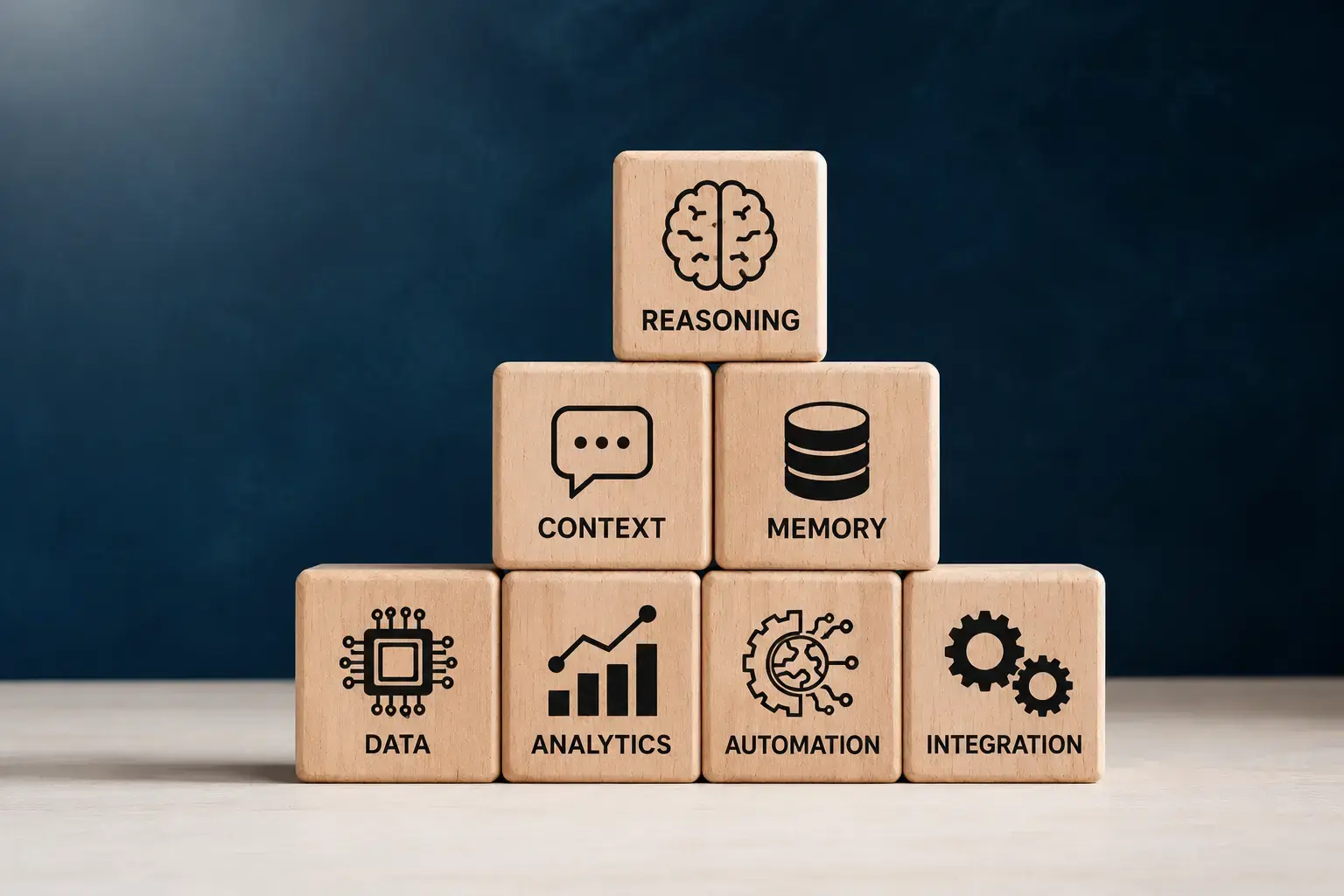
Connect agents with approved business data, documents, knowledge bases, databases, and enterprise systems.
View

Tool and API Integration

Enable agents to interact with CRMs, helpdesks, databases, internal APIs, spreadsheets, communication tools, and enterprise applications.

View

Validation and Review Agents

Use dedicated agents to check accuracy, source grounding, formatting, compliance requirements, and output quality.

View

Human-in-the-Loop Controls

Add approval workflows, escalation paths, review queues, exception handling, and audit trails.

View

Shared Memory and Context

Maintain relevant context across agents, users, workflows, tasks, and system interactions where appropriate.

View

Monitoring and Evaluation

Track agent performance, task completion, tool-use reliability, errors, escalation rates, latency, cost, and business impact.

View
Industry applications

Multi-Agent System Use Cases by Industry

Multi-agent systems can be tailored to the workflows, documents, data sources, compliance requirements, and operational goals of each industry.

HealthTech

Multi-agent systems help HealthTech businesses coordinate administrative workflows, retrieve knowledge, validate outputs, and support staff operations.

  • Patient intake and routing systems
  • Medical documentation review workflows
  • Appointment coordination systems
  • Internal healthcare knowledge workflows
  • Administrative operations automation
Healthcare technology

FinTech & Financial Services

Multi-agent systems help financial organizations automate document-heavy workflows, support compliance review, and improve operational decision support.

  • Customer onboarding workflows
  • KYC and document review systems
  • Compliance research and escalation workflows
  • Financial operations assistants
  • Policy and procedure validation workflows
Financial dashboards

Ecommerce

Multi-agent systems help ecommerce businesses automate product, support, catalog, and operations workflows across multiple tools.

  • Order and returns workflow automation
  • Product catalog enrichment systems
  • Customer support triage and routing
  • Review and feedback analysis systems
  • Inventory and operations support workflows
Retail and e-commerce

AdTech

Multi-agent systems help AdTech and marketing teams coordinate research, reporting, campaign analysis, and creative operations.

  • Campaign performance analysis systems
  • Automated reporting workflows
  • Audience research and insight systems
  • Creative review and briefing workflows
  • Marketing operations coordination systems
Marketing analytics

EdTech

Multi-agent systems help education businesses support learners, automate content workflows, and improve academic operations.

  • Student support workflow systems
  • Learning content recommendation workflows
  • Assessment review and feedback workflows
  • Instructor productivity systems
  • Education operations automation
Learning platforms

Consulting

Multi-agent systems help consulting firms accelerate research, proposal development, document analysis, and client delivery operations.

  • Research and synthesis systems
  • Proposal development workflows
  • Client document analysis systems
  • Internal knowledge reuse workflows
  • Delivery reporting and review systems
Enterprise operations
Technology ecosystem

Technologies Used for Multi-Agent System Development

We use modern language models, agent orchestration frameworks, retrieval systems, backend engineering, cloud infrastructure, and enterprise integrations to build secure and scalable multi-agent systems.

AI Models

Agent Orchestration Frameworks

Retrieval and Vector Databases

Backend Engineering

Powered byGrayphiteAI Stack

Workflow and Integration Layer

Cloud and Infrastructure

Enterprise Integrations

AI Project Estimator

Estimate Your Generative AI & LLM Project

Answer a few questions about your use case, data sources, integrations, security needs, and product goals. Our estimator will help you identify the likely scope, complexity, and recommended starting point for your LLM project.

  • Estimate your generative-AI scope
  • Identify the right LLM approach
  • Understand build complexity
  • Receive a recommended next step
Start AI Project Estimator
Our process

How Multi-Agent Systems Work

Multi-agent systems combine multiple specialized AI agents, orchestration logic, shared context, business tools, retrieval systems, guardrails, and human oversight. A well-designed multi-agent system breaks a business goal into smaller tasks, assigns those tasks to the right agents, coordinates outputs, validates results, and completes the workflow through approved tools and systems.

  1. Goal or request received

    • A user, system, or workflow triggers the multi-agent system with a business goal, task, request, document, or operational event.
  2. Task planning and decomposition

    • The system breaks the goal into smaller steps and decides which agents, tools, and data sources are required.
  3. Agent assignment

    • Specialized agents are assigned roles such as researcher, planner, analyst, executor, reviewer, validator, or reporter.
  4. Knowledge retrieval

    • Agents retrieve relevant information from documents, databases, knowledge bases, APIs, cloud storage, or enterprise systems.
  5. Tool usage and workflow execution

    • Agents use approved tools such as CRMs, ticketing systems, internal APIs, spreadsheets, dashboards, calendars, or communication platforms.
  6. Validation and quality control

    • Reviewer or validator agents check outputs for accuracy, completeness, source support, formatting, business rules, and risk.
  7. Human approval or escalation

    • Sensitive actions, exceptions, or uncertain outputs can be routed to human teams for approval or review.
  8. Completion and monitoring

    • The system completes the workflow, updates relevant systems, reports outcomes, and monitors performance for future optimization.
FAQ

Common questions, answered

What is a multi-agent system?+
A multi-agent system is an AI system where multiple specialized agents work together to complete tasks, retrieve information, use tools, validate outputs, and execute workflows.
How is a multi-agent system different from a single AI agent?+
A single AI agent usually handles a focused task. A multi-agent system coordinates multiple agents with different roles, such as research, planning, execution, validation, and reporting.
What can businesses use multi-agent systems for?+
Businesses can use multi-agent systems for research, document processing, customer onboarding, compliance review, support automation, reporting, workflow automation, and operational decision support.
What are examples of agents in a multi-agent system?+
Examples include research agents, planning agents, retrieval agents, document analysis agents, execution agents, validation agents, reporting agents, and escalation agents.
Can multi-agent systems integrate with existing software?+
Yes. Multi-agent systems can integrate with CRMs, ERPs, databases, ticketing systems, communication tools, calendars, cloud platforms, internal APIs, and custom business applications.
Can multi-agent systems use internal company data?+
Yes. Multi-agent systems can retrieve and use approved documents, knowledge bases, databases, cloud storage, support content, and enterprise systems while respecting permissions.
Free consultation · 30 min

Get in touch

Send a Brief

LET'S
TALK!

Send a Brief or reach an engineer directly. We reply within 24h — no sales loop, no funnel.

Talk to a person
Luke Martins

Luke Martins

Head of Client Relations
Paul Thimm

Paul Thimm

Engineering Lead
Salman Ayub

Salman Ayub

Sales Manager
24H reply
PDF · DOC · PPT · max 10 MB

By sending you accept our Privacy Policy. We'll only use your details to reply about your project.

San Jose · HQ

123 E San Carlos St, CA 95112

Open · local
London

71-75 Shelton St, Covent Garden

Open · local
Toronto

1 Yonge St, Ontario M5E 1W7

Open · local