
Add AI to existing products
Integrate GPT-powered features into SaaS platforms, dashboards, portals, CRMs, internal tools, and customer-facing applications.
Integrate GPT-powered capabilities into your software, workflows, internal tools, customer experiences, and business systems. GPT integrations help businesses add generative AI features without rebuilding their entire product from scratch. At Grayphite, we integrate GPT models with your applications, data, APIs, workflows, and user interfaces to create secure, practical, and production-ready AI experiences.
Your business may need GPT integrations when you want to add AI-powered search, summarization, content generation, document analysis, chat experiences, or workflow assistance into an existing product or internal system.
GPT integrations are useful when your business already has software, data, users, and workflows, but needs a practical way to make those systems more intelligent with generative AI.
Businesses invest in GPT integrations to improve productivity, enhance software products, reduce manual work, and add intelligent user experiences to existing systems. Unlike standalone AI tools, GPT integrations bring generative AI directly into the applications, workflows, and platforms your teams and customers already use.
Integrate GPT-powered features into SaaS platforms, dashboards, portals, CRMs, internal tools, and customer-facing applications.
Help employees draft, summarize, analyze, search, classify, and prepare outputs faster.
Provide faster answers, guided assistance, personalized responses, and AI-powered support experiences.
Generate first drafts, rewrite content, summarize long information, create reports, and prepare structured outputs.
Use GPT to extract, classify, summarize, compare, and explain information from business documents.
Build GPT integrations with access control, monitoring, approval flows, logging, and responsible AI usage.
Grayphite builds GPT integrations with the capabilities required for secure, useful, and production-ready generative AI experiences.

Connect GPT models with your software products, backend systems, databases, APIs, and user-facing applications.

Enable GPT with retrieval systems to deliver grounded answers using your approved business data and knowledge sources.

Connect GPT outputs with CRMs, helpdesks, databases, cloud storage, communication tools, and enterprise applications.

Generate emails, reports, product descriptions, summaries, proposals, documentation, and support responses.

Summarize, classify, extract, compare, and analyze PDFs, contracts, reports, tickets, forms, and transcripts.
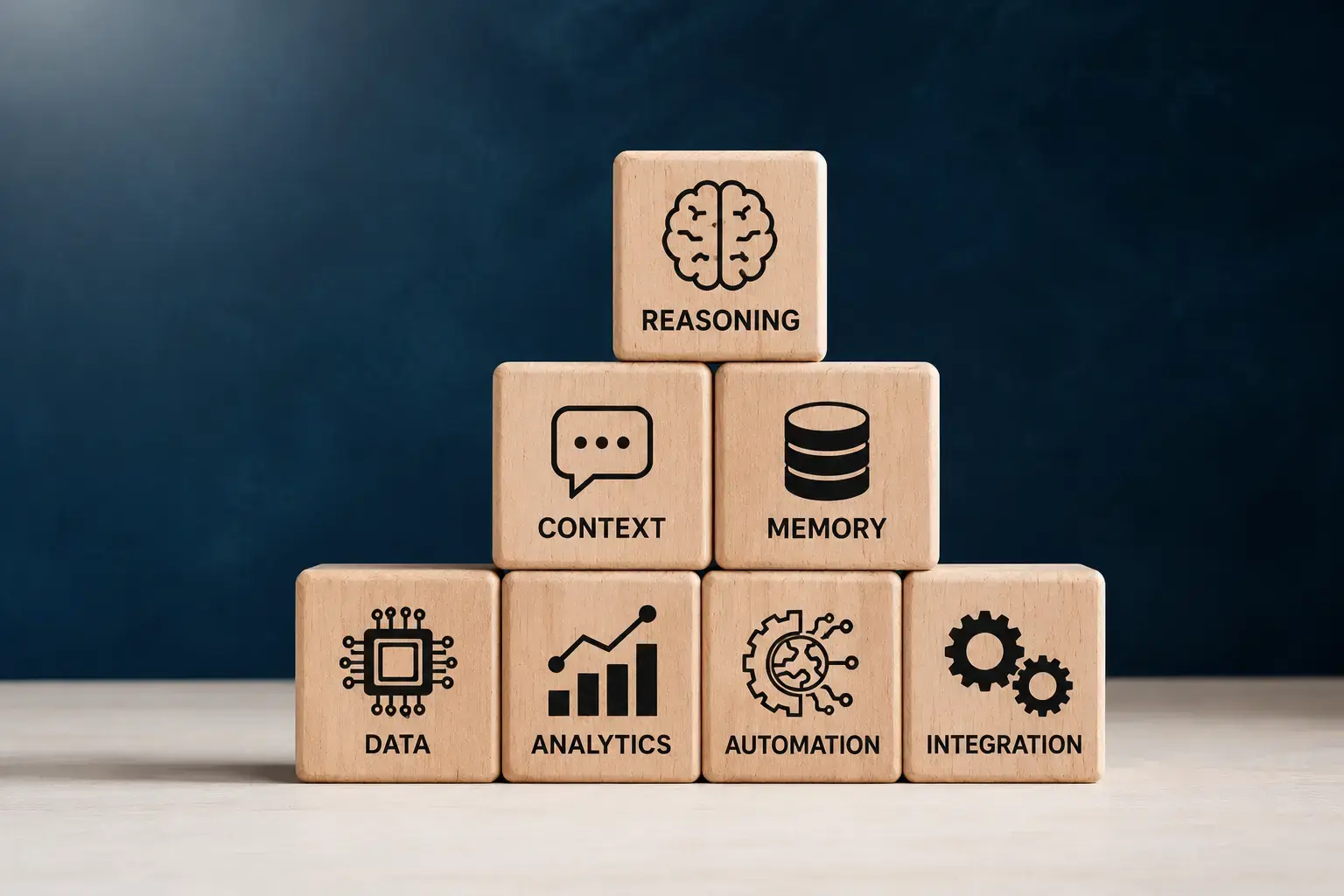
Build GPT-powered chat experiences for products, dashboards, customer support systems, and internal tools.

Automate request classification, task preparation, routing, summarization, and operational workflows.

Generate structured outputs like JSON, tables, tickets, and classifications with validation, logging, monitoring, cost controls, and feedback loops.