
ENTERPRISE APPLICATION DEVELOPMENT

Enterprise Application Development Services

Build secure, scalable, and business-critical enterprise applications that connect teams, workflows, data, and systems across your organization. At Grayphite, we design and develop enterprise applications for complex operations, multiple departments, large user groups, and long-term business growth. From internal platforms and workflow systems to customer portals, reporting tools, and AI-enabled applications, we build software that supports real enterprise needs.

Overview

When Does Your Business Need Enterprise Applications?

Your business may need enterprise applications when existing tools cannot support complex workflows, departments rely on disconnected systems, data is difficult to access, or manual processes are limiting operational efficiency.

Enterprise applications are useful when software must support multiple teams, user roles, data sources, integrations, approval paths, reporting requirements, and security controls within one connected environment.

Signs your business may need enterprise applications

  • Teams use separate tools, spreadsheets, databases, and manual processes that make collaboration and reporting difficult.
  • Processes involve multiple departments, user roles, approvals, exceptions, and system handoffs.
  • Important information is spread across CRMs, ERPs, databases, internal tools, cloud platforms, and legacy applications.
  • Performance, usability, permissions, reporting, or integrations become harder to manage as the organization grows.
  • Employees spend too much time entering data, coordinating approvals, preparing reports, and updating multiple systems.
  • Outdated systems are costly to support, hard to integrate, and unable to meet modern business or security requirements.
Engineers building enterprise software platforms
Business Value

Why Businesses Invest in Enterprise Applications

Businesses invest in enterprise applications to improve operational efficiency, connect fragmented systems, increase visibility, and create consistent digital workflows across departments. Unlike general-purpose software, enterprise applications are designed around complex business rules, user roles, data environments, integrations, and security requirements.

Benefits of Enterprise Applications

Connect business processes

Bring workflows, users, data, approvals, and operational activities into one connected application.

Improve cross-department collaboration

Give teams access to shared information, structured workflows, and consistent processes.

Reduce manual work

Automate data entry, reporting, approvals, notifications, task routing, and system updates.

Increase operational visibility

Provide dashboards, reports, status tracking, audit trails, and performance insights across business functions.

Integrate enterprise systems

Connect CRMs, ERPs, databases, cloud platforms, third-party software, and legacy applications.

Build for long-term scale

Design secure and maintainable applications that can support increasing users, data volumes, locations, and operational complexity.

CAPABILITIES

Key Features & Capabilities of Enterprise Applications

Grayphite develops enterprise applications with the workflows, integrations, security, reporting, and scalability required for complex business operations.

Role-Based Access Control

Manage access based on roles, departments, business units, locations, responsibilities, and data permissions.

Enterprise Workflow Management

Create structured workflows for approvals, requests, tasks, escalations, reviews, and multi-department processes.

System & Data Integration

Connect CRMs, ERPs, databases, legacy systems, cloud platforms, communication tools, and third-party applications.

Customer & Employee Portals

Build secure portals for customers, employees, partners, vendors, managers, and administrators.

Business Process Automation

Automate recurring tasks such as notifications, data updates, approval routing, document processing, and reporting.
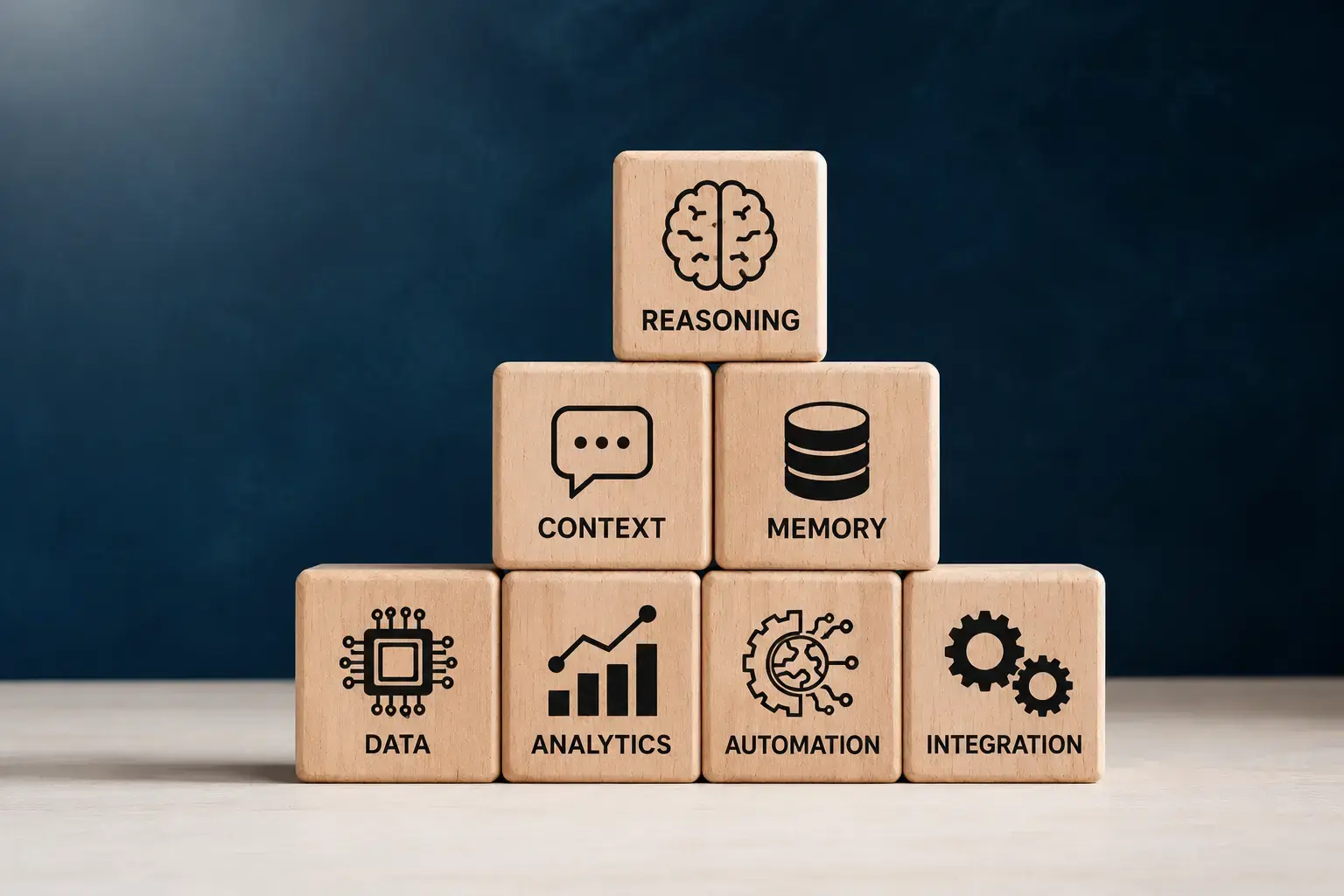
Reporting & Analytics

Provide dashboards, operational reports, executive views, exports, and real-time performance visibility.

AI-Powered Enterprise Features

Add AI search, copilots, assistants, document analysis, recommendations, forecasting, and intelligent automation.
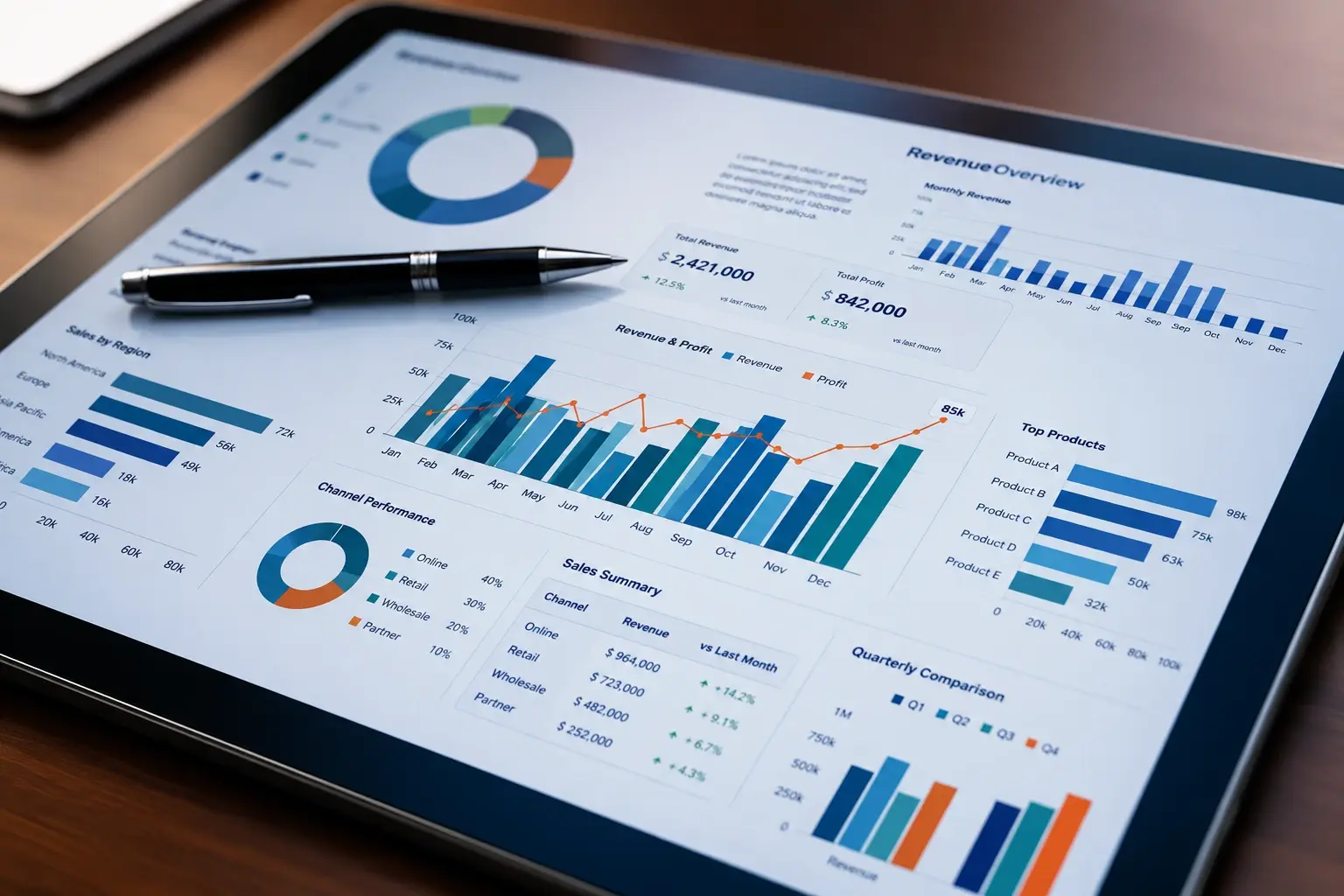
Security, Data & Architecture

Ensure authentication, authorization, encryption, audit logs, monitoring, data governance, and scalable architecture for enterprise growth.

Industry applications

Enterprise Application Use Cases by Industry

Enterprise applications can be tailored to the operational workflows, compliance requirements, users, and systems of each industry.

HealthTech

Enterprise applications help healthcare organizations manage patient operations, staff workflows, administration, reporting, and internal systems.

  • Patient and practice management applications
  • Clinical operations platforms
  • Healthcare administration systems
  • Staff and provider portals
  • Medical reporting and workflow applications
Healthcare technology

FinTech & Financial Services

Enterprise applications help financial organizations manage customers, compliance, reporting, operations, and complex approval workflows.

  • Financial operations platforms
  • Customer onboarding applications
  • Compliance management systems
  • Advisor and client portals
  • Risk and reporting applications
Financial dashboards

Ecommerce

Enterprise applications help ecommerce businesses manage products, orders, customers, inventory, fulfillment, and internal operations.

  • Order management applications
  • Product catalog management systems
  • Inventory and fulfillment platforms
  • Customer service applications
  • Merchant and operations dashboards
Retail and e-commerce

AdTech

Enterprise applications help advertising and marketing organizations manage campaigns, clients, reporting, data, and creative workflows.

  • Campaign management systems
  • Client reporting applications
  • Marketing analytics platforms
  • Audience data management tools
  • Creative approval and workflow systems
Marketing analytics

EdTech

Enterprise applications help education businesses manage students, instructors, content, assessments, and administrative operations.

  • Student information systems
  • Learning administration platforms
  • Instructor and staff portals
  • Assessment management applications
  • Education reporting systems
Learning platforms

Consulting

Enterprise applications help consulting firms manage projects, clients, knowledge, resources, reporting, and service delivery.

  • Client engagement platforms
  • Project delivery systems
  • Resource management applications
  • Knowledge management platforms
  • Reporting and benchmarking tools
Enterprise operations
Technology ecosystem

Technologies Used for Enterprise Application Development

We use modern frontend, backend, database, cloud, integration, DevOps, and security technologies to build reliable enterprise applications.

Frontend Engineering

Backend Engineering

Databases and Search

Enterprise Integrations

Cloud Platforms

Powered byGrayphiteEngineering Stack

Infrastructure and DevOps

Authentication and Security

Data and Messaging

AI and Automation

AI Project Estimator

Estimate Your Enterprise Software Project

Answer a few questions about your product goals, users, workflows, integrations, and technical requirements. Our estimator will help you identify the likely scope, complexity, and recommended starting point for your software project.

  • Understand the likely size and complexity of your software project.
  • Identify whether your project is best suited for an MVP, phased rollout, or full-scale build.
  • Receive a clear recommendation for moving forward.
Start Project Estimator
Our process

How Enterprise Application Development Works

Enterprise application development combines business analysis, workflow design, architecture planning, software engineering, integration, quality assurance, security, deployment, and ongoing support. A successful enterprise application begins with understanding how the organization operates before defining the technical solution.

Business and system discovery
We review your goals, departments, users, workflows, systems, data sources, risks, and operational challenges.
Requirements and process mapping
We define user roles, business rules, approval paths, integrations, reporting needs, and functional requirements.
Enterprise architecture planning
We design the application architecture, data model, security approach, integration layer, infrastructure, and scalability strategy.
User experience and interface design
We create user journeys, role-specific dashboards, workflows, prototypes, and interfaces for employees, managers, customers, and administrators.
Application development
Our engineers build frontend interfaces, backend services, APIs, databases, permissions, workflows, and business functionality.
Integration and data migration
We connect enterprise systems, migrate required data, and validate interoperability across platforms.
Quality assurance and security testing
We test functionality, permissions, workflows, integrations, performance, usability, security, and reliability.
Deployment and continuous improvement
We deploy the application, support adoption, monitor performance, and continue improving the system as requirements evolve.
Comparison

Enterprise applications vs. standard business software.

Area
Enterprise Application
Standard Business Software
Business fit
Designed around organization-specific processes
Designed for common workflows
User structure
Multiple departments, roles, business units, and access levels
Basic users and permissions
Integration
Can connect with enterprise systems, APIs, and legacy platforms
Limited to available connectors
Workflow complexity
Supports complex approvals, exceptions, and cross-team workflows
Supports standard processes
Reporting
Custom operational, departmental, and executive reporting
Standard reports
Scalability
Designed around organizational growth and complexity
Limited by product structure or vendor plans
Ownership
Greater control over features, integrations, and architecture
Vendor-controlled roadmap
Best for
Complex, strategic, and business-critical enterprise operations
Small or standard operational needs
Why Grayphite

Why Choose Grayphite for Enterprise Application Development?

Grayphite combines enterprise software engineering, product thinking, cloud infrastructure, integration expertise, quality assurance, and AI-first development to build applications that support real business operations.

Enterprise Workflow Understanding

We begin by understanding your departments, processes, users, approvals, data, and operational challenges.

Scalable Software Architecture

We design applications to support increasing users, locations, data volumes, integrations, and business complexity.

Enterprise Integration Experience

We connect applications with CRMs, ERPs, databases, cloud platforms, legacy systems, and third-party software.

Security and Access Control

We design authentication, authorization, role-based permissions, logging, monitoring, and secure data handling into the application.

AI-First Engineering

We identify practical opportunities for AI search, copilots, document intelligence, workflow automation, and decision support.

Quality and Reliability

We use code reviews, automated testing, manual QA, performance testing, security checks, and release validation.

End-to-End Delivery

Our team supports discovery, design, architecture, development, integration, testing, deployment, and ongoing improvement.

FAQ

Frequently Asked Questions

What is an enterprise application?+
An enterprise application is software designed to support complex business operations, multiple departments, large user groups, system integrations, workflows, security requirements, and organizational data.
What types of enterprise applications can Grayphite build?+
Grayphite can build workflow systems, internal platforms, customer portals, employee applications, reporting tools, operational systems, knowledge platforms, and AI-powered enterprise software.
How are enterprise applications different from standard business software?+
Enterprise applications are designed around complex workflows, user roles, integrations, data environments, and organization-specific requirements. Standard software is usually designed for broader and simpler use cases.
When should a business build a custom enterprise application?+
A business should consider a custom enterprise application when standard software cannot support its workflows, systems are fragmented, manual processes are inefficient, or technology is critical to operations.
Can enterprise applications integrate with existing systems?+
Yes. Enterprise applications can integrate with CRMs, ERPs, databases, cloud platforms, legacy systems, communication tools, and third-party software.
Can Grayphite modernize an existing enterprise application?+
Yes. Grayphite can modernize architecture, user interfaces, backend systems, databases, integrations, cloud infrastructure, security, and DevOps processes.
Free consultation · 30 min

Get in touch

Send Brief

LET'S
TALK!

Send a Brief or reach an engineer directly. We reply within 24h — no sales loop, no funnel.

Talk to a person
LM

Luke Martins

Head of Client Relations
Paul Thimm

Paul Thimm

Engineering Lead
Salman Ayub

Salman Ayub

Sales Manager
24H reply
PDF · DOC · PPT · max 10 MB

By sending you accept our Privacy Policy. We'll only use your details to reply about your project.

San Jose · HQ

123 E San Carlos St, CA 95112

Open · local
London

71-75 Shelton St, Covent Garden

Open · local
Toronto

1 Yonge St, Ontario M5E 1W7

Open · local