
Improve employee productivity
Help teams find answers, summarize information, prepare outputs, and complete routine tasks faster.
Build secure enterprise AI assistants that help employees access knowledge, complete tasks, summarize information, and work faster across internal systems. Enterprise AI assistants help organizations turn scattered business knowledge into accessible, actionable support for teams. At Grayphite, we develop AI assistants that connect with your documents, databases, tools, workflows, and permissions to improve productivity while keeping enterprise control, security, and governance in place.
Your business may need enterprise AI assistants when employees spend too much time searching for information, asking other teams for answers, reading long documents, or switching between internal tools to complete routine work.
Enterprise AI assistants are useful when your organization has valuable knowledge spread across documents, systems, departments, and workflows, but teams need a faster and more secure way to access and use it.

Businesses invest in enterprise AI assistants to improve productivity, reduce internal support burden, make knowledge easier to access, and help employees complete work faster. Unlike generic AI tools, enterprise AI assistants are designed around your business data, access controls, internal systems, workflows, terminology, and security requirements.
Help teams find answers, summarize information, prepare outputs, and complete routine tasks faster.
Enable employees to self-serve answers from approved knowledge sources instead of repeatedly asking other teams.
Turn documents, policies, procedures, reports, and knowledge bases into searchable, conversational support.
Help employees understand context, compare information, summarize findings, and prepare recommendations.
Give employees answers based on approved sources, current documents, and structured internal knowledge.
Deploy AI assistants with permissions, monitoring, logging, governance, and responsible usage controls.
Grayphite builds enterprise AI assistants with the capabilities required for internal knowledge access, workflow support, security, governance, and scalable adoption.

Search across approved documents, policies, procedures, wikis, tickets, manuals, reports, and internal knowledge systems.

Generate answers from approved business sources with citations, document references, links, or supporting context.

Respect permissions so employees only access authorized documents, records, information, and business systems.
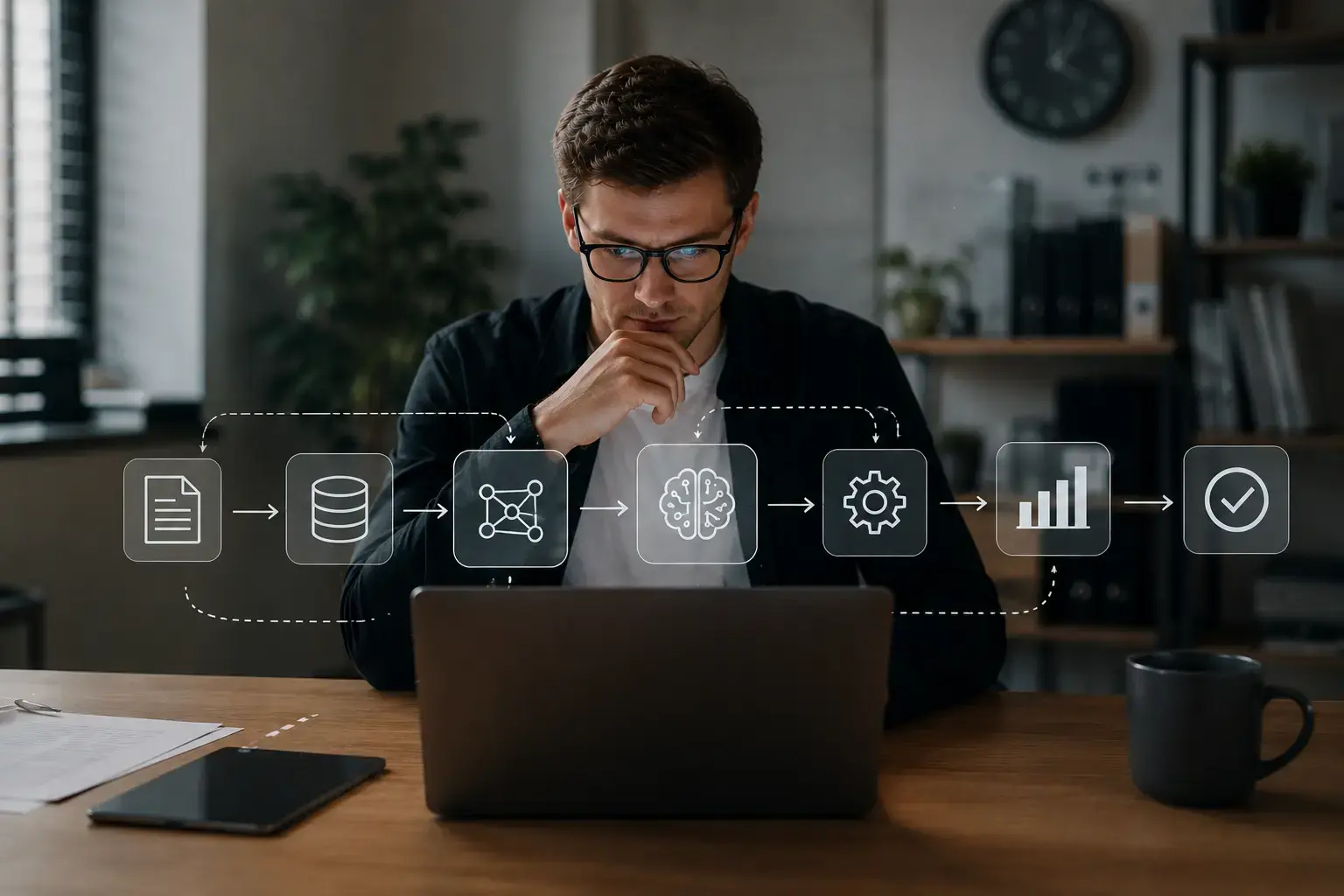
Connect assistants with CRMs, helpdesks, HR tools, document storage, databases, collaboration tools, and internal applications.

Help users create tickets, draft responses, prepare reports, update records, route requests, and complete routine tasks.
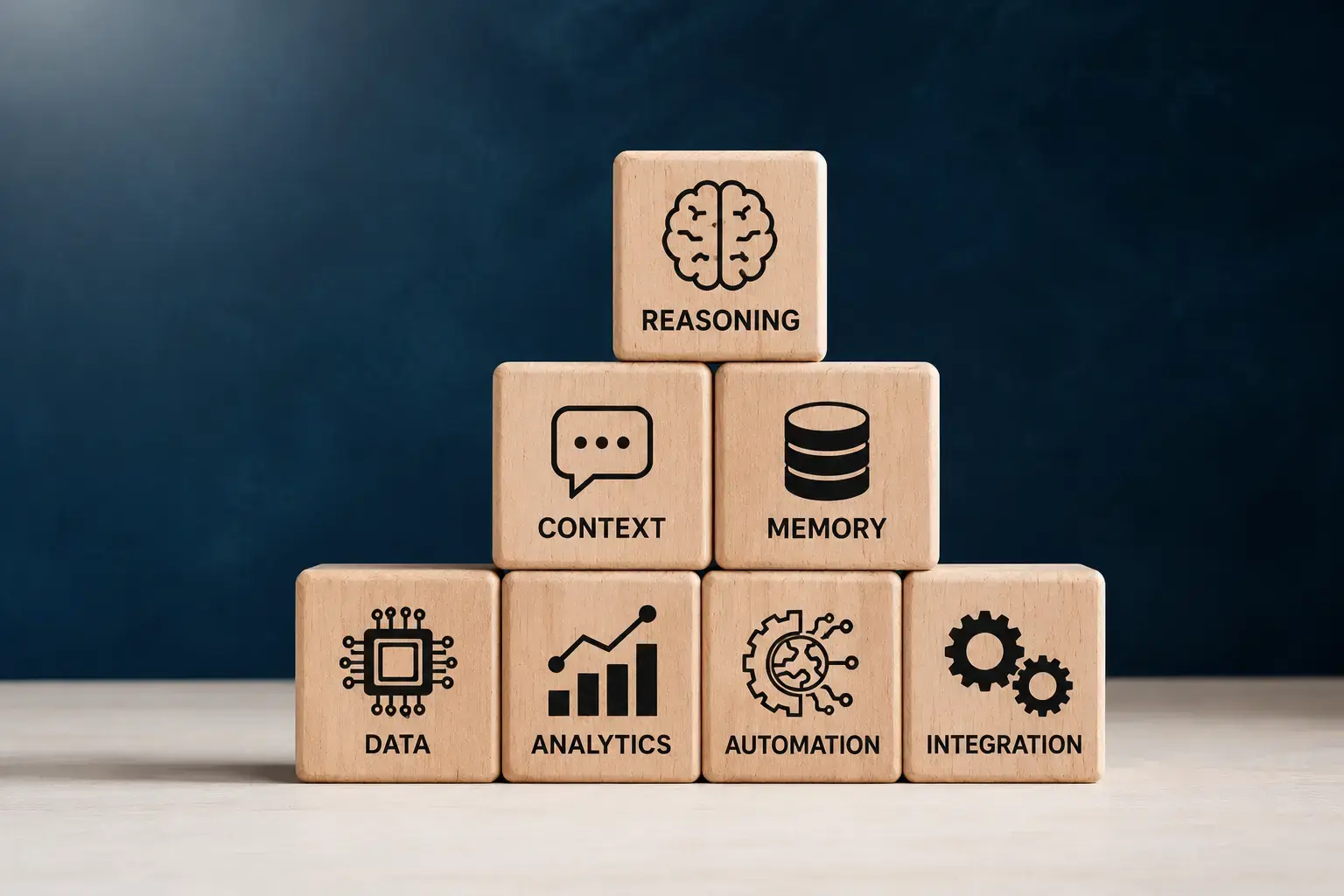
Summarize reports, meeting notes, contracts, policies, transcripts, tickets, and internal documentation.

Build assistants for operations, HR, finance, sales, support, compliance, engineering, and leadership teams.

Track usage, adoption, answer quality, access patterns, feedback, knowledge gaps, and improvement opportunities.