
Build production-ready AI systems
Move beyond prototypes to scalable applications with real users and real workloads.
Hire specialized LLM developers who can design, integrate, and scale production-grade large language model systems for real business applications. At Grayphite, we provide engineers with deep expertise in LLM integration, retrieval-augmented generation (RAG), AI agents, prompt engineering, evaluation systems, and production deployment. Unlike general AI developers, our LLM engineers focus specifically on building real-world applications powered by foundation models.
Your business may need LLM developers when you are building or scaling AI features powered by large language models such as chat systems, copilots, search interfaces, automation tools, or document intelligence systems.
LLM developers are essential when your product depends on structured model behavior, reliable outputs, context grounding, or integration with enterprise data.

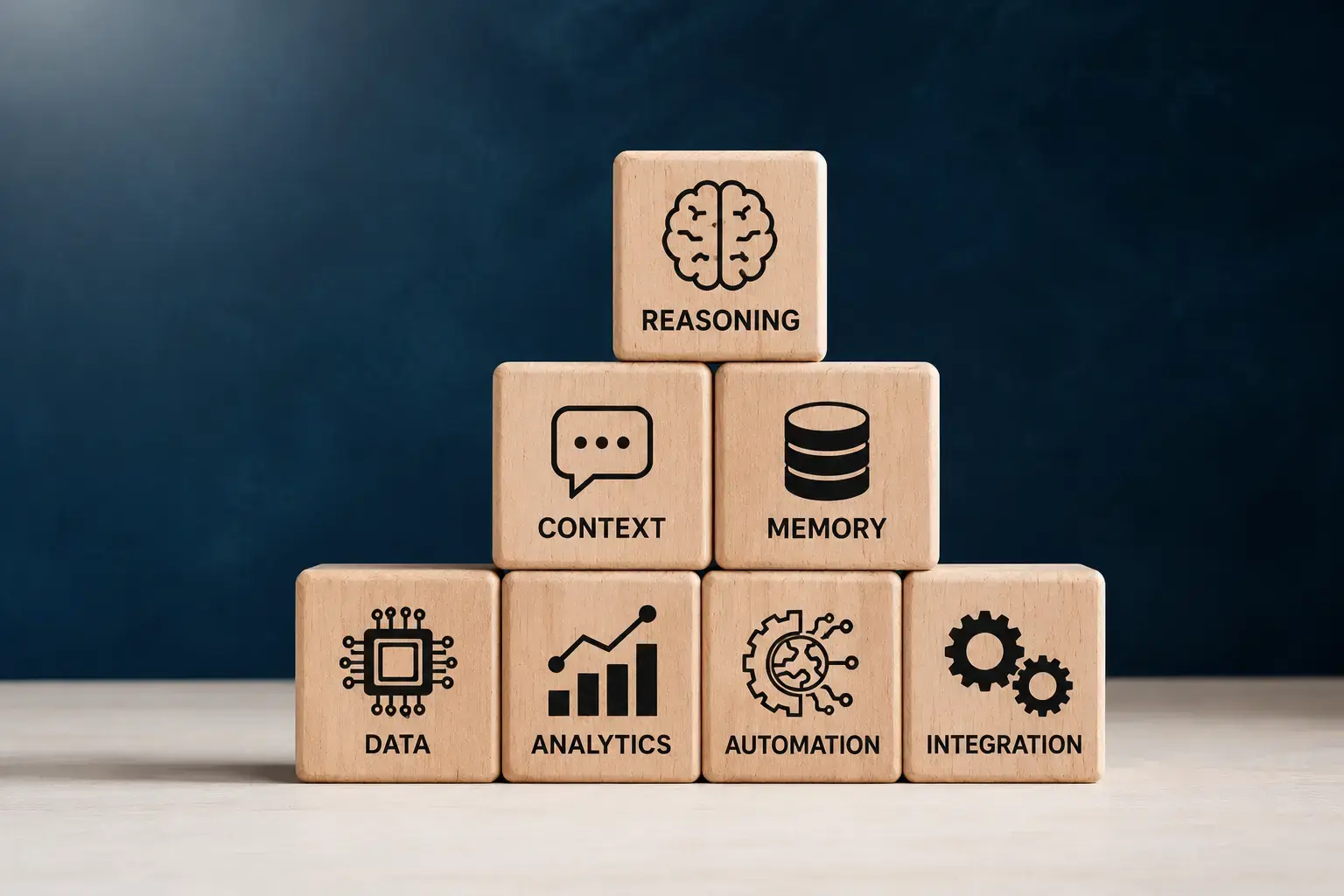
Businesses hire LLM developers to build reliable, scalable, and production-ready AI systems powered by large language models. LLM applications require more than API calls—they need architecture, context management, retrieval systems, evaluation, and optimization to perform consistently in real-world environments.
Move beyond prototypes to scalable applications with real users and real workloads.
Use structured prompts, retrieval systems, and evaluation pipelines to reduce hallucinations.
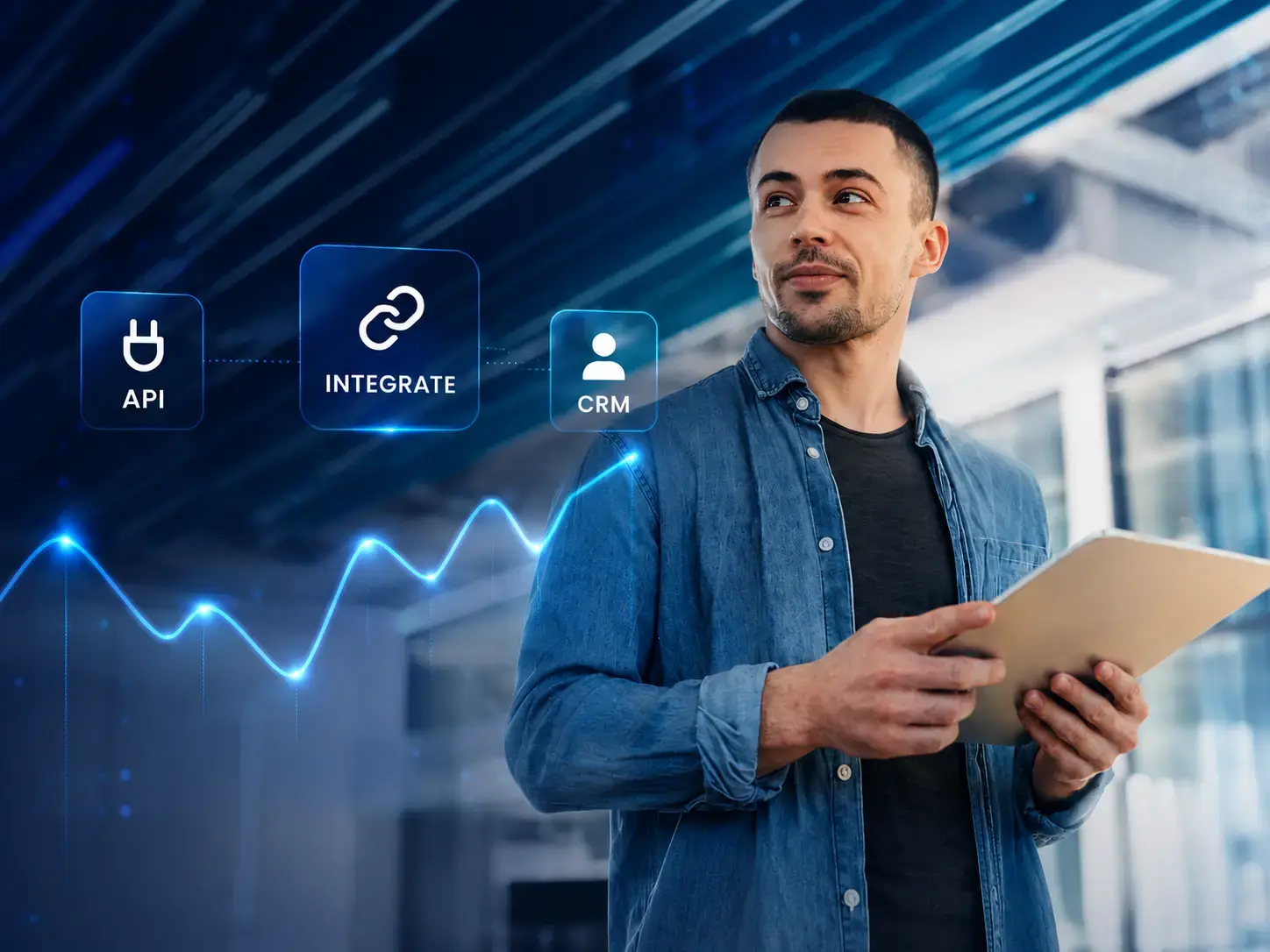
Integrate LLMs with internal documents, APIs, databases, and enterprise systems.
Build systems that support multiple users, workflows, and increasing model usage.
Choose the right models, routing strategies, and caching to balance cost and quality.
Reduce trial-and-error by working with engineers experienced in real LLM production systems.
Grayphite LLM developers specialize in building production-grade generative AI systems across multiple domains and architectures.

Integrate OpenAI, Claude, Gemini, and open-source models into scalable software applications.
Build retrieval-augmented generation systems using embeddings, semantic search, enterprise data, and vector databases.

Design prompts, system instructions, examples, memory flows, and structured context for reliable outputs.

Develop tool-using agents that can reason, complete multi-step tasks, and automate business workflows.

Build APIs, services, orchestration layers, and backend systems for LLM-powered applications.
Test and measure LLM outputs for correctness, safety, relevance, performance, and production reliability.

Design model routing, fallback logic, caching, compression, and cost optimization across multiple providers.

Embed LLM features into SaaS products, enterprise systems, internal tools, workflows, and user experiences.