AI-powered two-way sign language communication platform
Grayphite partnered with Mayday Foundation, a non profit organization, to build a two-way sign language communication platform that helps bridge communication gaps between Deaf and hearing communities. The platform combines AI-assisted translation workflows, mobile technology, and animated sign language experiences to create a more accessible and inclusive way for people to communicate.
Overview
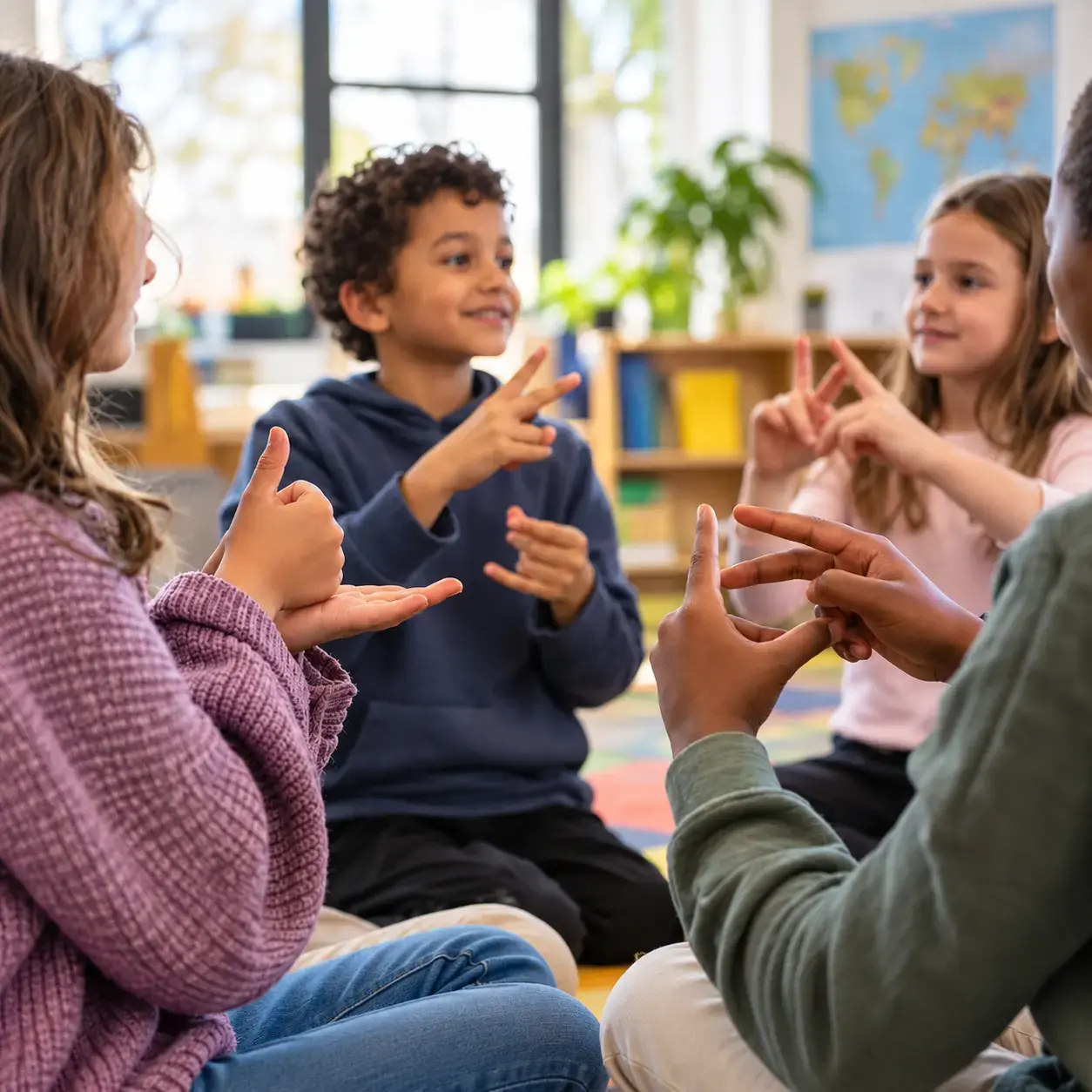
Mayday Foundation partnered with Grayphite to develop a two-way sign language communication platform designed to improve communication between Deaf and hearing communities. The platform extends an existing sign language keyboard into a more complete communication experience by enabling sign-to-text conversion and text-to-sign translation through an animated 3D avatar.
Many Deaf individuals face communication barriers when interacting with people who do not understand sign language. The solution bridges this gap by connecting sign language input, written communication, and animated sign language output within a single mobile experience.
Grayphite developed the platform using React Native, Python backend services, AI-assisted translation workflows, sign language dictionary integration, and 3D avatar technology. The solution establishes a foundation for future accessibility innovations by combining modern software engineering with assistive communication technology.
Business challenge
Bridging communication gaps through accessible technology
Deaf individuals often face communication barriers when interacting with people who do not understand sign language. Traditional communication methods are not always designed to support sign-based conversations, creating challenges in everyday interactions, education, healthcare, and social environments.
Mayday Foundation needed a digital solution that could support two-way communication by connecting sign language and written communication within an accessible mobile experience.
The challenge was not simply creating a translation tool, but building an inclusive communication platform that could help reduce barriers and create a more connected experience between Deaf and hearing communities.
- Limited two-way communication options between Deaf and hearing communities.
- Difficulty converting sign language into written communication for people unfamiliar with sign language.
- Lack of accessible tools that allow written text to be represented through sign language.
- Need for a mobile-first platform that could make sign language communication more practical and accessible.
- Requirement for scalable technology that could support future improvements in sign language translation and accessibility.
Our solution
Building an AI-assisted two-way sign language communication platform
To address communication barriers between Deaf and hearing communities, Grayphite developed a two-way sign language communication platform that connects sign-based communication and written language through an accessible mobile experience.
The platform extends an existing sign language keyboard into a broader communication solution by enabling sign-to-text conversion and text-to-sign translation through an animated 3D avatar. By combining mobile application development, AI-assisted translation workflows, and sign language technology, the solution creates a foundation for more inclusive digital communication.
Platform capabilities
Seven core capabilities connect sign language and written communication within one digital experience.
- Two-Way Sign Language Communication — The platform enables communication in both directions by supporting sign-to-text conversion and text-to-sign translation workflows, helping connect different communication methods within one digital experience.
- Sign Language Keyboard Integration — The solution extends existing sign language keyboard functionality, allowing users to select signs and convert them into written text for easier communication.
- AI-Assisted Text-to-Sign Translation — Written text can be processed through the translation workflow and converted into corresponding sign language sequences for visual communication.
- 3D Sign Language Avatar — The platform uses an animated 3D avatar to represent sign language output, providing users with a visual way to understand translated communication.
- Mobile Accessibility Application — Built as a mobile-first Android application, the platform provides an accessible interface where users can interact with sign language and text-based communication workflows.
- Sign Language Data Integration — The platform incorporates sign language vocabulary and representation data to support communication conversion between written language and sign-based output.
- Scalable Accessibility Foundation — The solution creates a foundation for future accessibility enhancements, including expanded sign language coverage, improved translation capabilities, and additional communication features.
How it works
Enabling two-way communication through AI-assisted sign language technology
The platform connects sign language input, written communication, and animated sign language output through an accessible digital workflow.
- User Selects Communication Input
Users can either select signs through the sign language keyboard or enter written text depending on their preferred communication method.
- Input Is Processed Through Translation Workflow
The platform processes the communication input and converts it into the required output format using AI-assisted translation workflows and sign language data.
- Sign-to-Text Conversion
When users communicate through sign-based input, the platform converts selected signs into written text that can be understood by people who do not use sign language.
- Text-to-Sign Translation
When users enter written text, the platform translates the content into sign language sequences for visual communication.
- Avatar Displays Sign Language Output
The translated sign language is presented through an animated 3D avatar, allowing users to view and understand the generated signing experience.
- Continuous Accessibility Improvement
The platform provides a foundation for future improvements, including expanded vocabulary, additional sign language support, and enhanced communication capabilities.
Business impact
Creating more inclusive digital communication experiences
The platform established a foundation for improving communication accessibility between Deaf and hearing communities by connecting sign language, written communication, and digital technology through a single mobile experience.
By combining AI-assisted translation workflows, sign language technology, and an animated avatar experience, the solution helped create a more accessible way for users to communicate while demonstrating the potential of technology in supporting social inclusion.
Other key outcomes:
- Improved communication accessibility — two-way workflows support both sign-to-text and text-to-sign interactions, reducing barriers between different communication methods.
- More inclusive digital experiences — a technology-driven approach for making digital communication more accessible to users who rely on sign language.
- Foundation for assistive technology innovation — a scalable base for expanded sign language support, enhanced translation capabilities, and additional communication features.
- Social impact through technology — the collaboration demonstrates how AI and software engineering can address meaningful accessibility challenges and support more inclusive communities.
Future opportunities
The platform provides a strong foundation for future advancements in assistive communication technology. As the solution evolves, it can support expanded sign language vocabulary, improved translation capabilities, additional sign language support, and more advanced communication workflows.
Future opportunities include integrating enhanced AI models, voice-based communication features, educational accessibility tools, and broader assistive technology applications. These improvements can help expand the platform’s impact and create more inclusive digital communication experiences for Deaf and hearing communities.
Services behind this build
The Grayphite capabilities that power platforms like Mayday Foundation.
Generative AI & LLM Engineering
Custom LLM platforms, RAG systems, and production-grade AI features powered by large language models.
View SoftwareWeb & Product Engineering
Scalable SaaS platforms, dashboards, and product experiences engineered end to end.
View AI SystemsAI Systems & Agent Development
Autonomous agents that automate research, workflows, and operational decisions with oversight.
View CloudCloud & DevOps
Secure, scalable cloud infrastructure with monitoring, CI/CD, and continuous delivery.
View StrategyAI Product Strategy & Consulting
Roadmaps, opportunity audits, and build-vs-buy frameworks that align AI with growth.
View TalentAI Talent Solutions
Embedded AI engineers and dedicated pods that extend your team with senior capacity.
View